

Beauty and Holiness
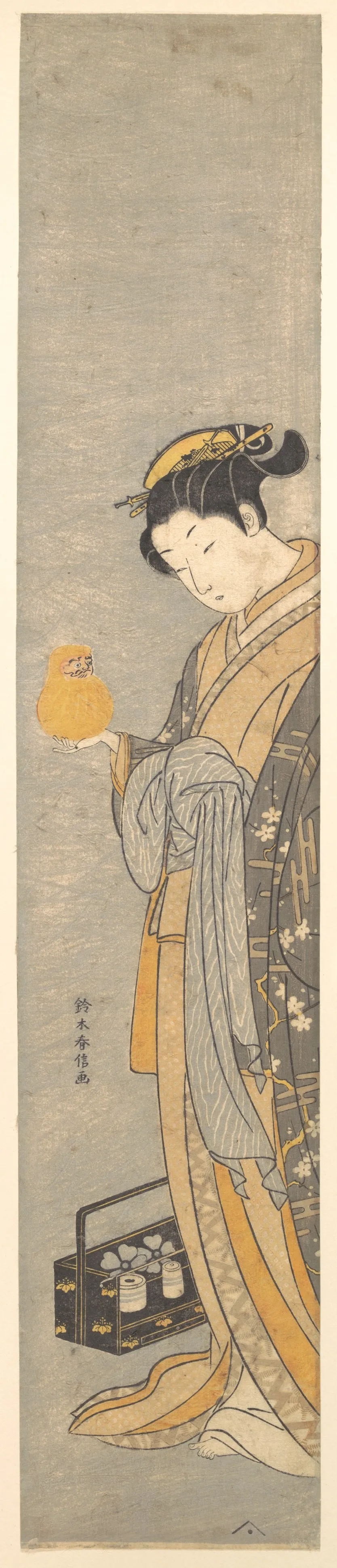
The room is quiet, filled with the scent of incense. A woman stands, her kimono whispering as she moves. Silk rustles softly against her skin. Her gaze is steady, serene. The light filters through shoji screens, casting soft patterns on the tatami floor. She holds a fan delicately, the edges worn smooth by use. Her hair, carefully arranged, gleams with the oil of camellia. She is a vision of grace, standing between the realms of beauty and spiritual devotion.
Behind her, an alcove displays a hanging scroll. The ink is dark, rich, almost alive. It speaks of wisdom, of the eternal, in bold strokes. A small vase beside it holds a single, perfect blossom. The air is still, heavy with contemplation. She breathes deeply, the air cool, tinged with the faint smell of pine.
Outside, the world is hushed. Only the distant call of a nightingale breaks the silence. She closes her eyes, feeling the weight of the world slip away. In this moment, she is both beauty and holiness, a connection to something greater.
Historical Echo
Suzuki Harunobu was a master of capturing the ephemeral elegance of the Edo period. His prints often depicted bijin, the beautiful women of the time, with a delicate touch. Around 1770, Harunobu embraced the challenge of merging beauty with spirituality. In "Beauty and Holiness," the subject reflects the serene grace and aesthetic ideals of the era. The print remains a testament to the quiet power of simplicity and the depth of the human spirit.