

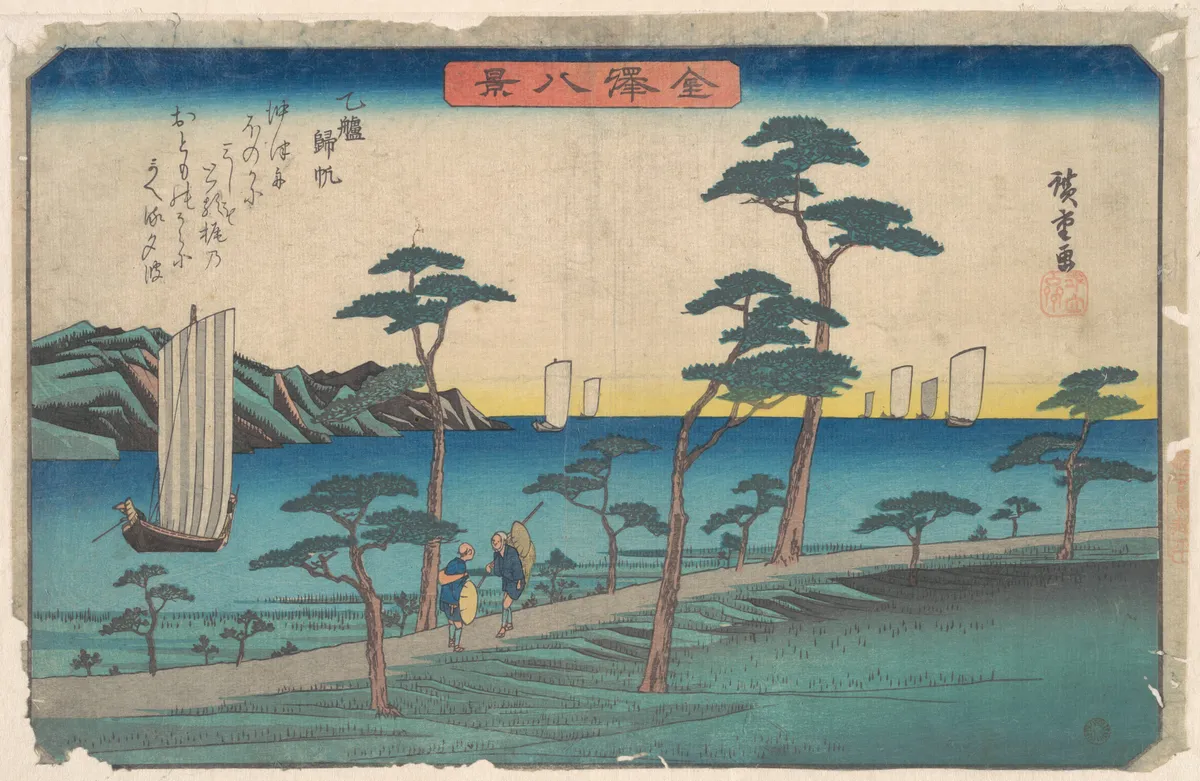
Otomo Kihan
The lanterns flicker gently in the evening breeze, casting a warm glow over the wooden planks of the dock. Otomo Kihan stands rooted, a silent figure against the murmur of the river. The air is thick with the scent of damp wood and the whispers of distant conversations carried across the water. Above, the sky is a vast expanse of indigo, dotted with the first shy stars of the night.
Kihan's eyes follow the shimmering path of the moon on the water's surface, a path leading to places unknown. The weight of his kimono is a comforting presence, its fabric imbued with the gentle scent of cherry blossoms, a reminder of seasons past. The rustling leaves from the nearby grove create a soft symphony, a melody only the night can sing.
In this tranquil setting, time seems to slow, each moment stretched like a delicate silken thread. The river's current is a low hum, its voice ancient and knowing. Kihan's thoughts drift like the boats moored nearby, tethered yet free, floating on the edge of dreams.
Historical Echo
Utagawa Hiroshige, a master of the ukiyo-e tradition, captures the serene beauty of Edo-era landscapes with a deft hand. In 'Otomo Kihan,' created around 1836, Hiroshige invites the viewer to step into a world where nature and humanity exist in gentle harmony. The delicate interplay of light and shadow, the meticulous attention to detail, and the profound silence of the scene speak of a time when life was both fleeting and eternal. Through Hiroshige's eyes, the past whispers softly, leaving an indelible mark on the soul.