

The Mountain Path
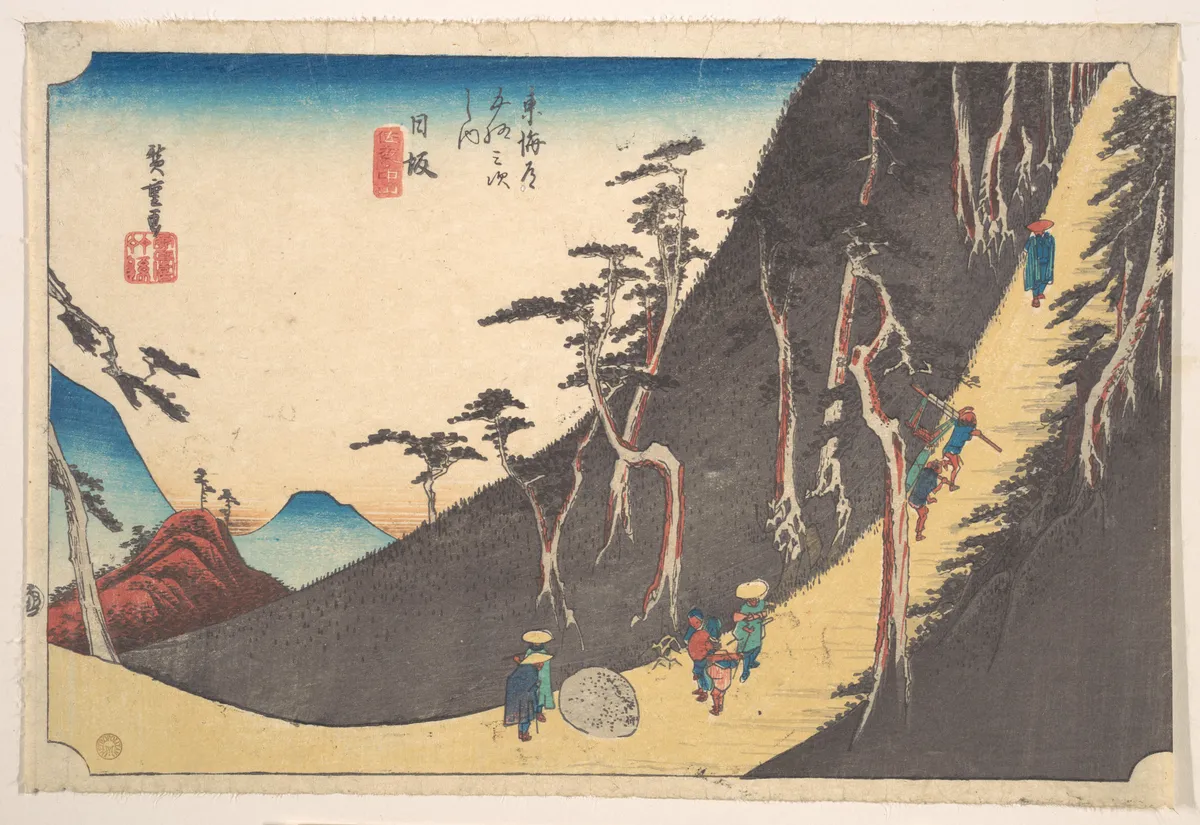
In the muted dawn light, a procession winds through the Sayo Nakayama. Pine trees rise like sentinels along the path. The air is crisp, tinged with the scent of damp earth and pine needles. A traveller pauses, adjusting the strap of his pack. His breath mingles with the morning mist, vanishing like a ghost among the trees.
Footsteps crunch softly on the gravel path. The mountain looms silently, shrouded in early fog. Shadows stretch long and thin, as if reluctant to leave the night behind. Cicadas hum a monotonous tune, their rhythm steady and unchanging.
A lone bird calls from the canopy, its voice clear against the morning's hush. The sound echoes briefly, then fades into the vastness. Beyond the trees, the sky begins to lighten, revealing shades of delicate pink and gold.
The traveller moves on, joining a small group ahead. They tread with quiet purpose, each step a testament to the journey's end unseen. The path bends gently, leading them deeper into the heart of the mountain.
Silence envelops them, broken only by the whispers of the wind through branches. The mountain guards its secrets well, offering nothing but the soft rustle of leaves and the distant murmur of unseen streams.
As they disappear around a bend, the path itself seems to breathe, alive with stories untold.
Historical Echo
In the Edo period, the Tōkaidō was a vital artery, linking Edo with Kyoto. Hiroshige captured its essence in his prints, each scene a delicate balance of nature and humanity. Nissaka, with its steep climbs and dense forests, was both a challenge and a wonder. Travellers, laden with goods and hopes, traversed its winding paths, their journeys marked by the land's serene beauty and quiet demands.