

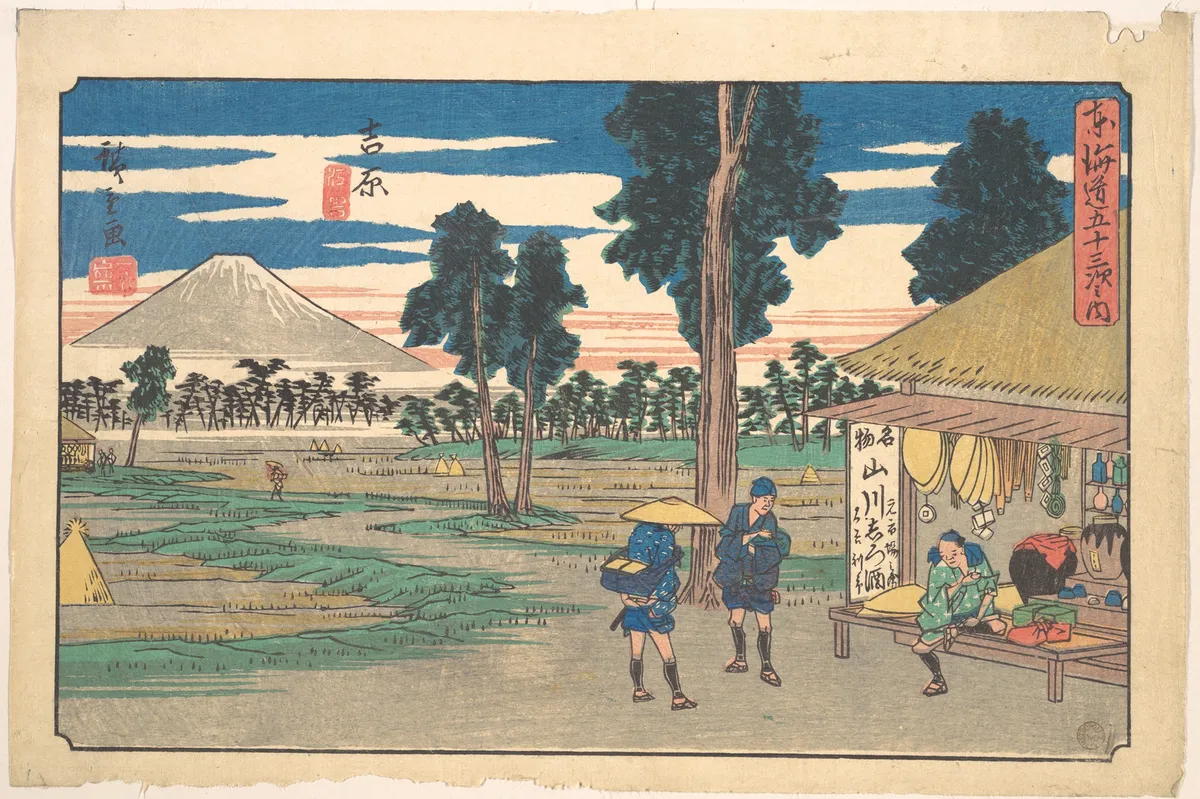
The Silent Streets of Yoshiwara
The night is heavy in Yoshiwara. Lanterns flicker, casting uncertain shadows on the narrow street. The air is thick with the scent of rain-soaked earth and lingering incense. A distant shamisen strums a mournful tune, barely audible over the soft patter of footsteps.
Women pass silently, their kimonos whispering against the ground. They move with purpose, yet each step seems to weigh on them like a gentle sorrow. The moon hides behind a veil of clouds, reluctant to witness the night's quiet transactions.
A lone figure pauses under a lantern, the light painting his face with a ghostly pallor. He waits, his breath mingling with the night's cool mist. Around him, the world holds its breath, caught in a moment between longing and resignation.
The wind rustles through paper screens, carrying fragments of laughter and secrets long buried. Yoshiwara is alive, yet cloaked in a silence that speaks louder than words. It is a place where dreams are both born and forgotten, and where the past lingers like an unwelcome guest.
Historical Echo
Yoshiwara, the famed pleasure district of Edo, was a world unto itself. Established in the early 17th century, it became a centre of art, culture, and the complex dance of human desires. Hiroshige, with his keen eye, captured its essence not through its vibrant revelry, but through its quieter, more introspective moments. In this print from around 1842, the viewer steps into a night steeped in history and the unspoken stories of countless lives.