

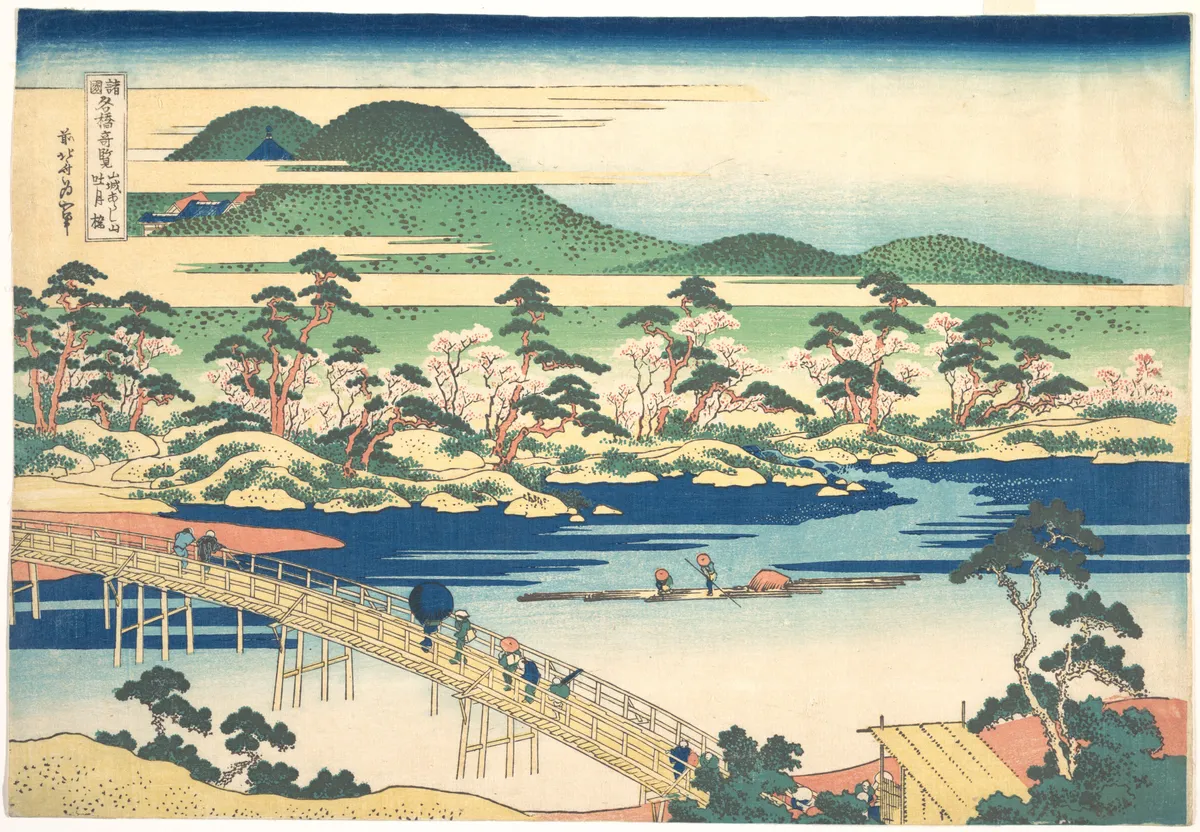
Under the Silent Bridge
Mist clung to the early morning air. The Togetsu Bridge stretched across the river like an old wooden spine. Below, soft ripples kissed the boats tethered to the banks. Shadows of mountains loomed in the distance, their peaks shrouded in a gentle haze.
A lone fisherman stood at the edge of his boat. His net, damp and heavy, dripped into the river. He moved with the patience of someone who has known these waters for years. Each motion was deliberate, as if in silent conversation with the current.
The bridge above him was empty, save for the occasional flutter of a bird. Its wooden planks creaked softly, a sound almost swallowed by the surrounding silence. In the distance, a faint echo of temple bells drifted through the air, mingling with the gentle rustle of leaves.
A breeze whispered through the valley, carrying with it the scent of pine and earth. The world seemed suspended in time, the morning light casting long shadows that danced across the water.
As the sun crept higher, the mist began to lift, unveiling the vibrant greens of the landscape. The fisherman paused, looking up at the bridge. He watched as a solitary figure crossed, their footsteps a quiet rhythm against the wood.
This was a world of whispers and pauses, a fleeting moment captured in the embrace of Arashiyama.
Historical Echo
The Togetsu Bridge, a symbol of serene passage, stands in Arashiyama, Yamashiro. During the Edo period, bridges were vital, connecting provinces and people. Hokusai, with his masterful hand, captured these scenes, bridging art and life. This print, part of his series on remarkable views, reflects a tranquil yet enduring connection to nature and humanity's place within it. The bridge's name, meaning "Moon Crossing," evokes a poetic journey, both literal and metaphorical, resonating through time.