

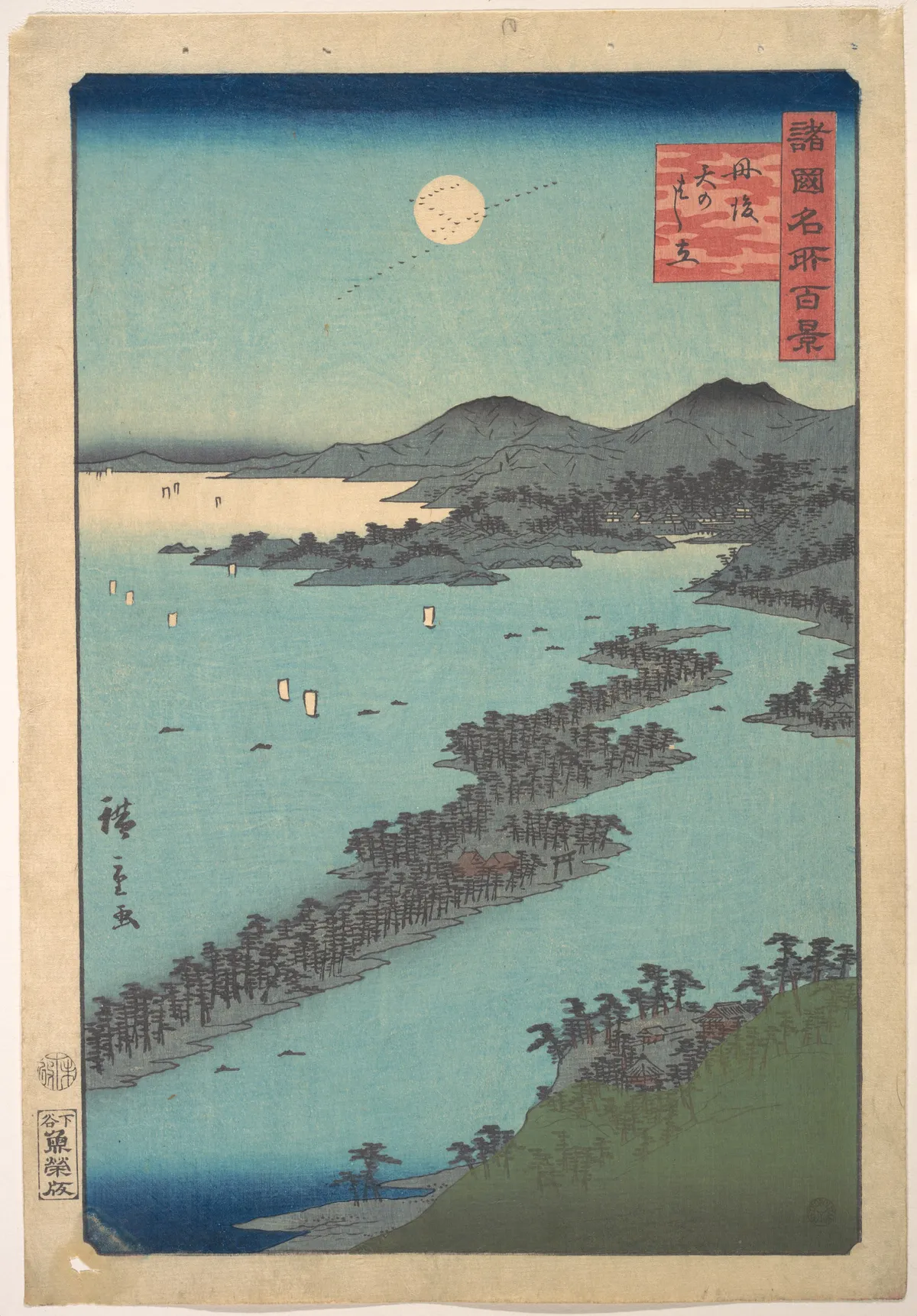
Tango Amano Hashidate
The sea murmured softly against the sands of Amano Hashidate. Its breath, rhythmic, steady. Pine trees lined the coast, their needles whispering secrets to the wind. A narrow strip of land stretched across the water, a natural bridge born from myths. The sky, heavy with clouds, cast a muted light over the scene. Shadows danced on the water's surface, shifting with the gentle breeze.
A lone figure stood at the edge, their silhouette merging with the earth. They watched the horizon, where the sky kissed the sea. Time seemed to pause, suspended in the cool, salt-tinged air. The distant call of a seabird echoed, a solitary note in the vast silence.
Footsteps crunched on gravel as a traveller approached. Their presence barely disturbed the serene tableau. The figure turned, a silent acknowledgment, before returning their gaze to the bridge. The traveller paused, taking in the scene, the weight of history woven into the landscape.
Together, they stood, bound by the quiet majesty of Amano Hashidate. The world around them continued its eternal dance, unhurried, unending.
Historical Echo
In the mid-19th century, Utagawa Hiroshige II captured Amano Hashidate’s ethereal beauty. This place, one of Japan’s Three Scenic Views, held a timeless allure. Hiroshige’s brush immortalised the shifting light, the interplay of land and sea. His work, a window to a landscape steeped in legend, invites the viewer to pause, to listen to the whispers of the past.