

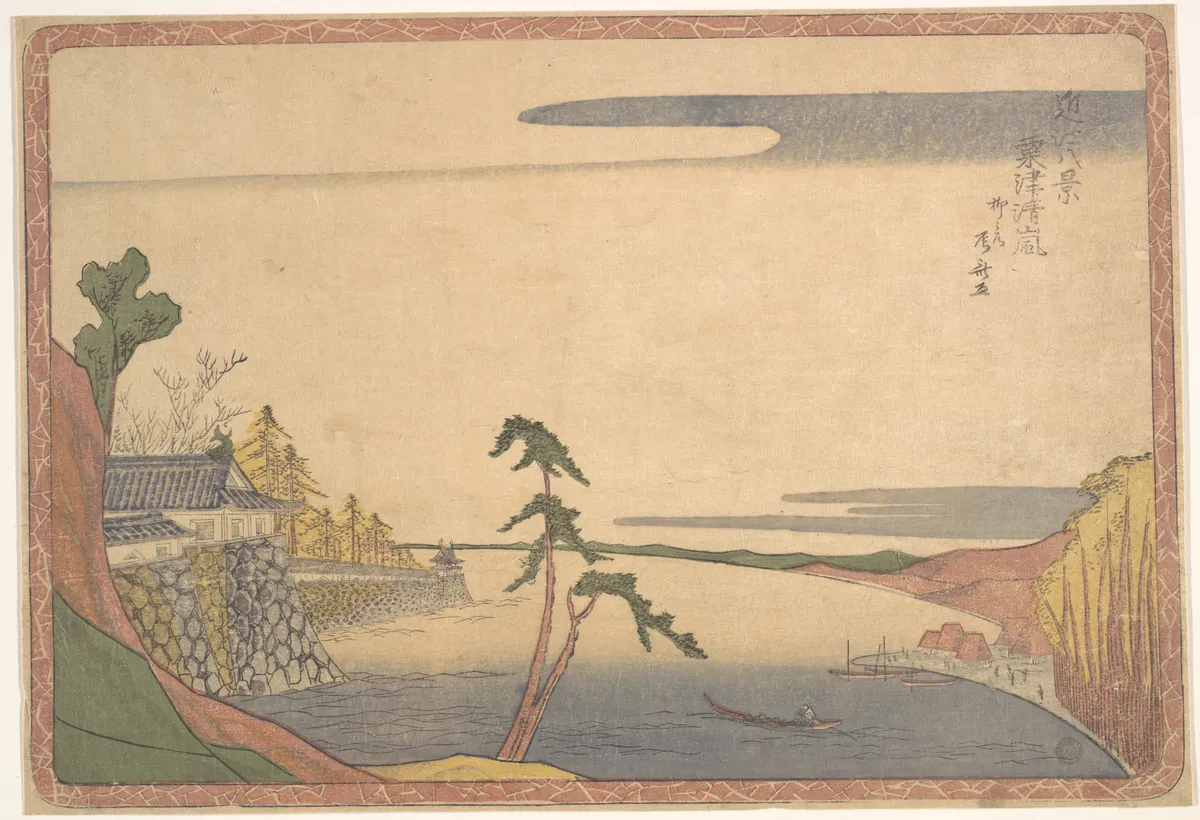
Awazu's Silent Morning
The storm has passed. Awazu breathes in the quiet. The air is heavy with the scent of wet earth. Leaves glisten, clinging to the memory of rain. A lone pine stands, its needles whispering secrets to the cool morning breeze. The distant mountains, shrouded in mist, watch over the landscape with solemn grace.
A fisherman pauses by the shore. His boat, steady and silent, rocks gently in the retreating tide. His eyes scan the horizon, where clouds part to reveal the first shy rays of sunlight. The river, swollen with the storm's tears, now flows with a newfound serenity.
Birds begin their cautious song, testing the air's promise of calm. Each note echoes the land's slow awakening. The sun climbs higher, its warmth a tender promise against the chill of the night before.
This is Awazu, reborn in the storm's wake. A moment caught between chaos and peace, where every breath is a reminder of nature's quiet strength.
Historical Echo
Awazu, a place where storms shape the land and life, stands timeless. In the Edo period, such scenes were captured with delicate precision. Ryūryūkyo Shinsai, in the early 1820s, rendered this tranquil aftermath with his woodblock print—a moment frozen, yet alive with the whisper of history.