

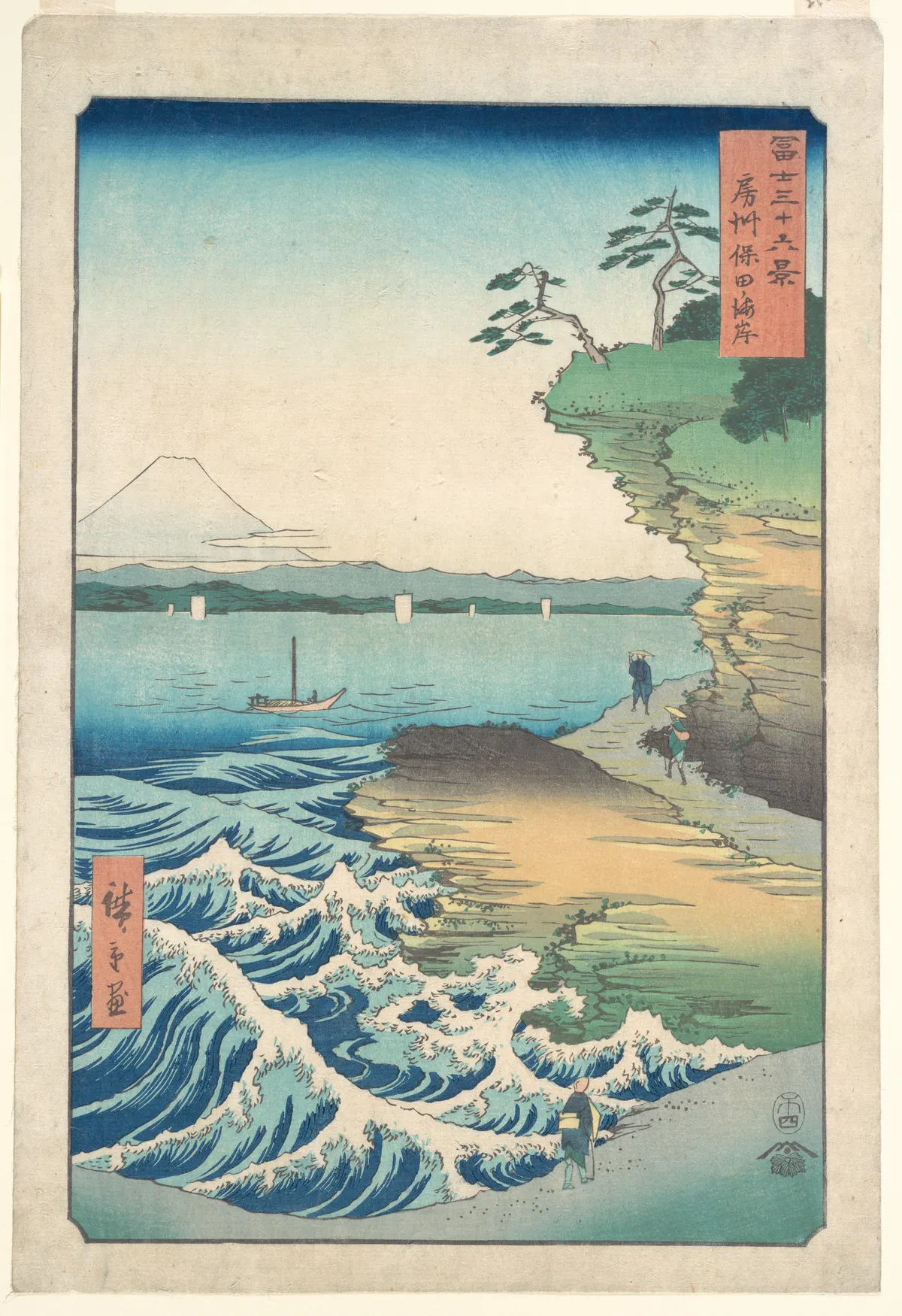
Seashore at Hoda
The pale dawn crept over Hoda's coast. Waves whispered secrets to the sand. Fishing boats bobbed gently, tethered like patient horses. The air was thick with salt and the promise of a long day. Gulls wheeled overhead, their cries sharp and distant.
A lone fisherman stood on the shore, his silhouette a dark smudge against the waking sky. He gazed out at the horizon, where sea and sky met in a soft embrace. The cool wind tugged at his sleeves, urging him to sea. He listened to the rhythmic lapping of water against wood, a timeless lullaby.
The light shifted, casting long shadows over the wet sand. Footprints etched stories in the earth, soon to be washed away by the tide. Each step taken was a memory, fleeting and fragile. The fisherman breathed deeply, the scent of brine and seaweed filling his lungs.
His boat awaited him, anchored in the shallows. He walked towards it, leaving behind the solid certainty of land. The world narrowed to the fragile craft and the endless sea beyond. The fisherman climbed aboard, feeling the familiar creak of wood beneath him. He set his oars and pushed off, the boat sliding into deeper waters.
The horizon beckoned, a line of possibility stretching before him. He rowed steadily, the sea a vast mirror reflecting the sky's gentle hues. The day began in earnest, the sun rising higher, casting its golden net across the waves.
Historical Echo
Utagawa Hiroshige captured this serene moment in 1858–59. The Seashore at Hoda reflects his mastery of landscape, a delicate balance of nature and human presence. The print belongs to the series "One Hundred Famous Views of Edo," a tribute to Japan's changing seasons and timeless beauty. Hiroshige's work resonates with the quiet rhythm of life, a fleeting glimpse of eternity captured in woodblock.