

Shadows of Filial Piety
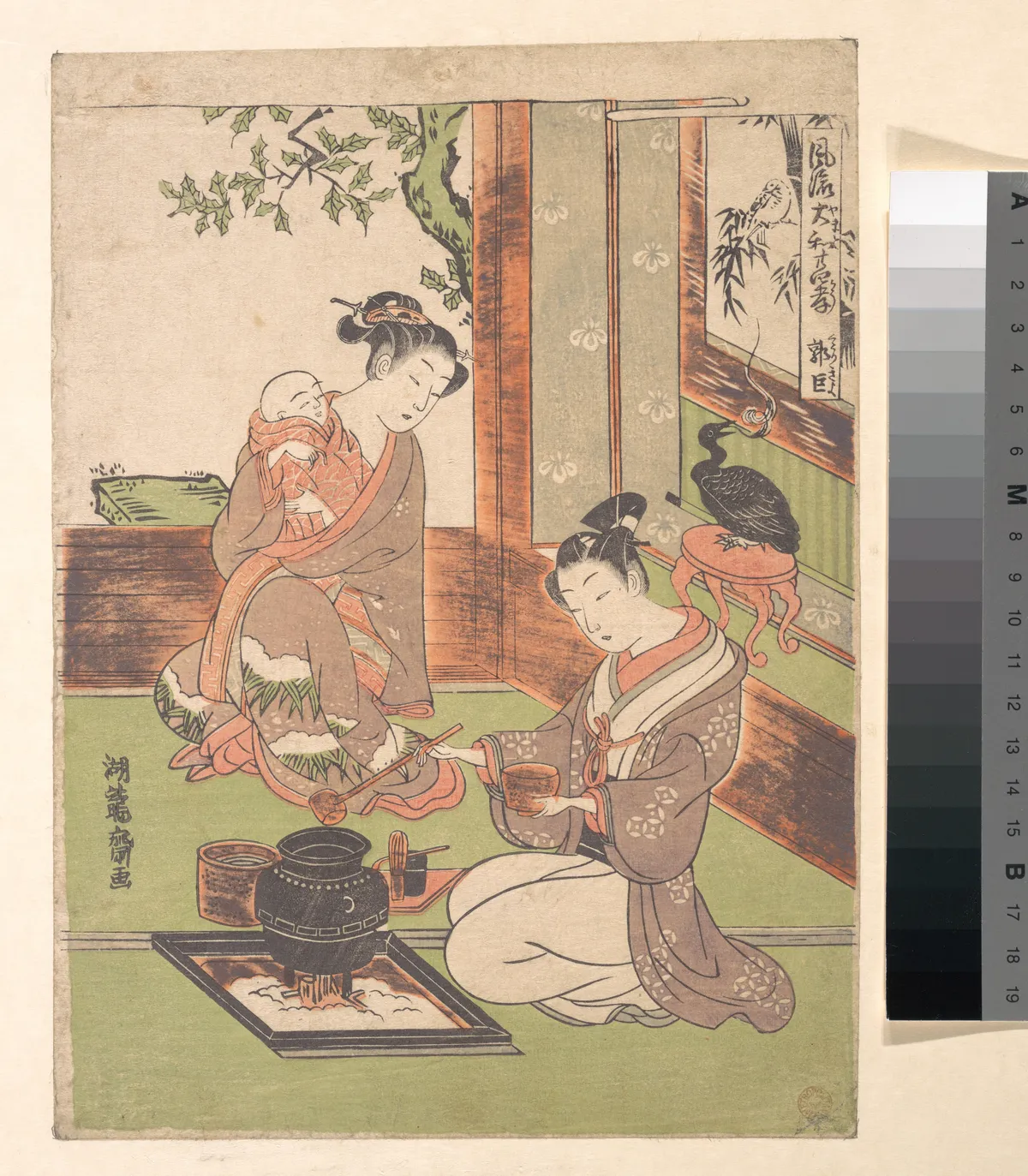
The air is still. Shadows stretch across the tatami mat. A lone figure kneels in reverence. His posture is unwavering, a testament to his devotion. Guo Zhu, a name whispered with respect, exemplifies filial piety.
The room is dimly lit. A single paper lantern casts a soft glow. Its light flickers, dancing with the shadows. The walls hold the silence, absorbing the whispers of history. Guo Zhu bows low, his forehead touching the cool floor. He honours the spirits of his ancestors, bound by duty and love.
Outside, a gentle breeze rustles the leaves. It carries the soft fragrance of blooming plum blossoms. The scent is sweet, yet fleeting, like memories of a distant past. Guo Zhu remains still, his thoughts anchored in the present moment.
The woodblock print captures this scene with quiet grace. Ink and paper preserve the essence of Guo Zhu's devotion. Each line and shade tells a story of loyalty. The past lingers, echoing within the confines of the room.
Historical Echo
In the Edo period, filial piety was a revered virtue. It defined relationships and guided actions. The twenty-four paragons of filial piety were tales of exemplary devotion. Guo Zhu's story is one of many, a reflection of societal values.
Isoda Koryūsai, the artist, captured these ideals with delicate precision. His work transcends time, offering a glimpse into a world where duty reigned supreme. Even today, the echoes of these stories continue to resonate, a testament to enduring human values.