

Silent Pathway
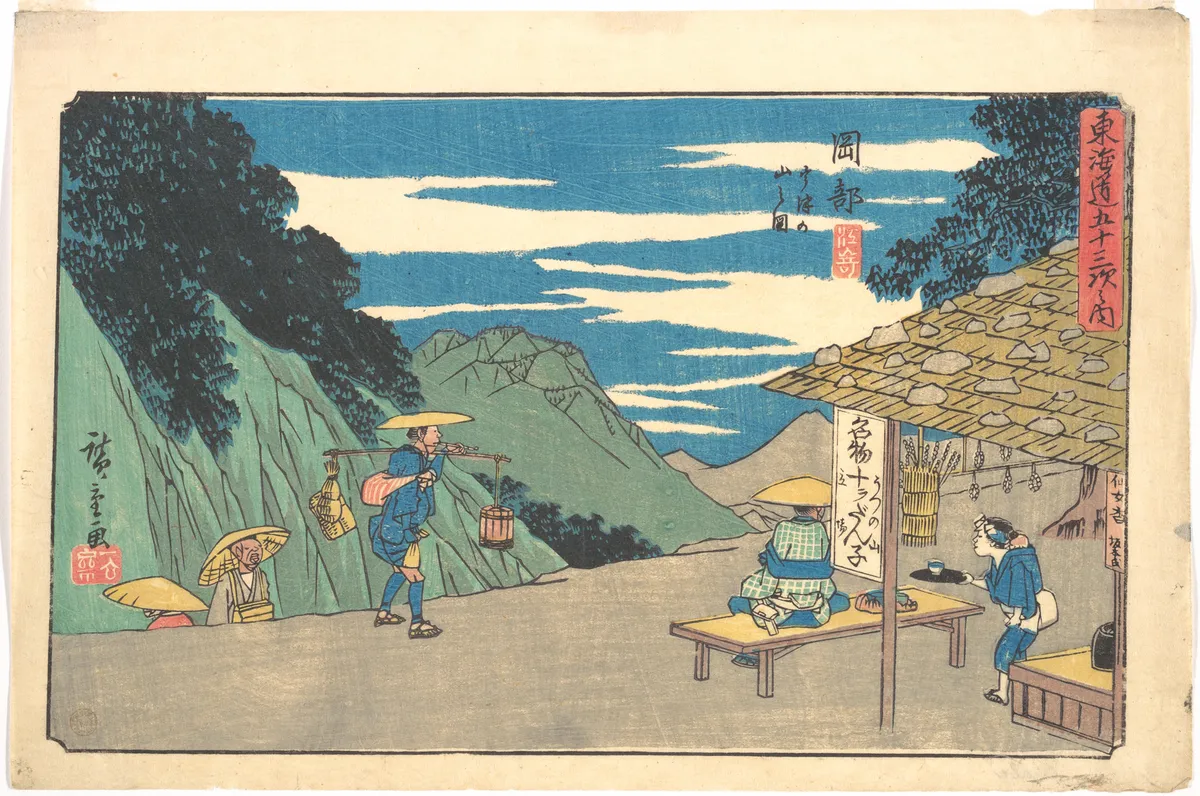
The path wound silently through the hills, a gentle ribbon of earth beneath the traveller's feet. Pine trees stood solemnly, their needles whispering in the soft breeze. The air was heavy with the scent of damp earth, lingering after a distant rain. Shadows fell long and quiet, stretching across the path like silent guardians.
A lone traveller, clad in humble attire, moved steadily along the road. His straw hat sheltered him from the lingering drizzle, droplets sliding quietly off its brim. Each step was deliberate, marking time with the rhythm of his journey. The silence was punctuated only by the soft rustle of his clothing and the occasional call of a distant bird.
The hills rose gently on either side, their slopes dark with thick foliage. Mist clung to their sides, a ghostly veil that softened the world. It was a landscape caught in a moment of quiet reflection, a pause in the endless cycle of seasons. The path led onward, disappearing into the embrace of the trees, promising new vistas beyond the bend.
Hiroshige captured this tranquil scene, a moment suspended in time. The woodblock print, with its subtle play of light and shadow, invites the viewer to step into this serene world. Here, the past lingers in each brush of wind, each careful stroke of ink upon paper.
Historical Echo
Utagawa Hiroshige, a master of landscapes, painted "Okabe" around 1842. This woodblock print belongs to the famous "Fifty-three Stations of the Tōkaidō" series. It captures the essence of travel during the Edo period, a time when paths like these connected distant places and people. Hiroshige's work remains a window into the quiet journeys of the past, where each step carried the weight of timeless solitude and reflection.