

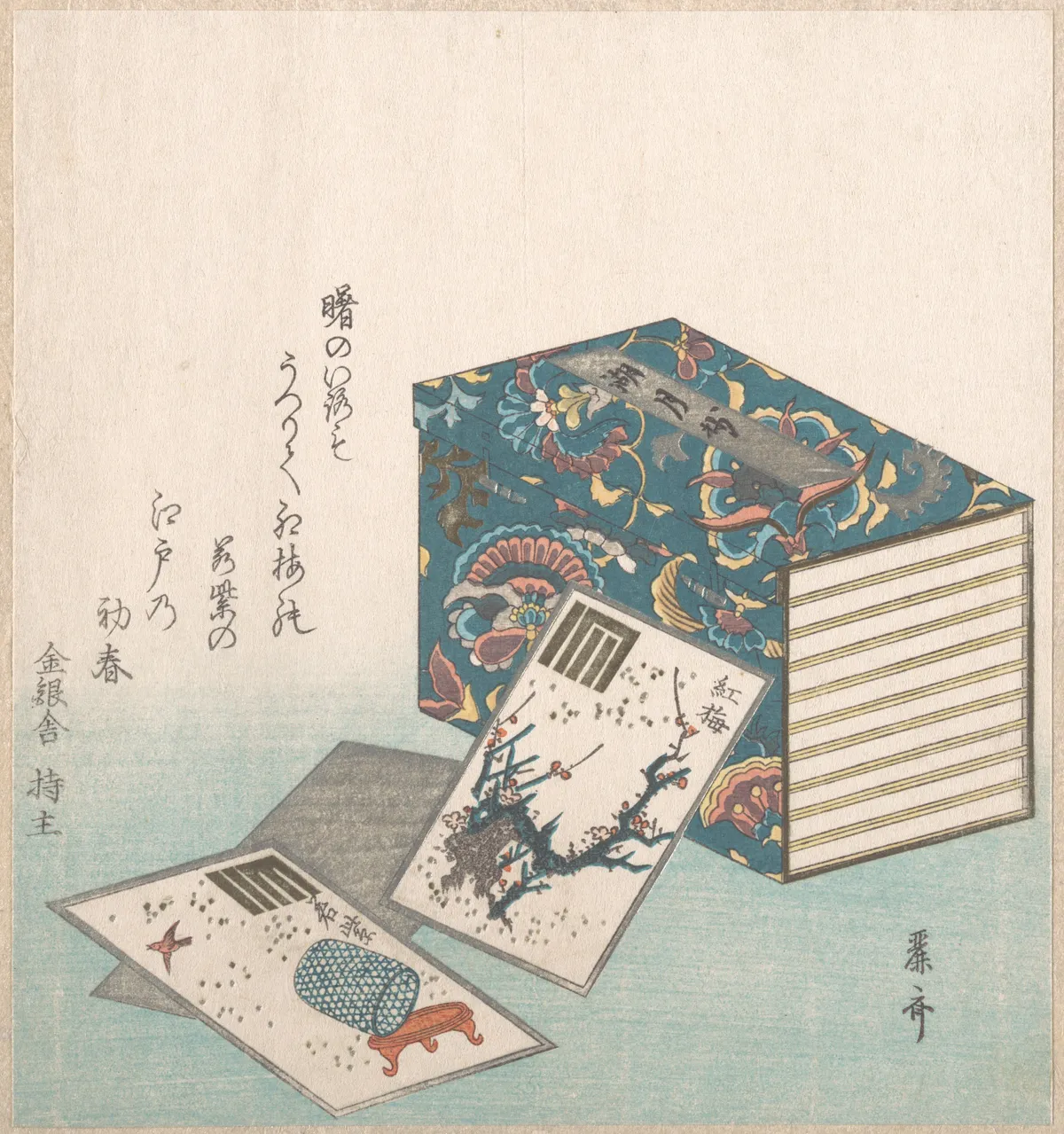
Books and Cards
The room was dim, only the quiet rustle of paper broke the silence. A flickering candle cast shadows that danced across the walls. Before the low table, books lay open, their pages yellowed with age. Beside them, cards were scattered, marked with inked symbols. An air of contemplation hung heavy, as if the room itself pondered the mysteries within these objects.
Outside, the world was still. The only movement was the occasional breeze through the paper screens, carrying the faint scent of pine. The books whispered secrets of forgotten tales, their spines cracked from years of eager hands. The cards, though silent, promised fortunes and misfortunes alike.
A lone figure sat cross-legged, absorbed in the world of text and symbols. The kimono fabric rustled softly with each movement. Ink-stained fingers traced lines of poetry, paused, and reached for a card, as if seeking guidance. The air was thick with anticipation, the kind that comes with the turning of a page or the drawing of a card.
Time seemed to stand still in this secluded corner, where the past lingered in every fibre of paper and each stroke of ink. The stories contained within were endless, waiting patiently to be brought to life once more.
Historical Echo
In the Edo period, books and playing cards were more than mere objects. They were vessels of knowledge and entertainment, bridging the realms of reality and imagination. Ukiyo-e artists like Reisai captured these quiet moments, where the mundane became profound. Through the lens of woodblock prints, everyday life was immortalised, preserving the subtle beauty of a world now lost to time.