

Layers of Wealth
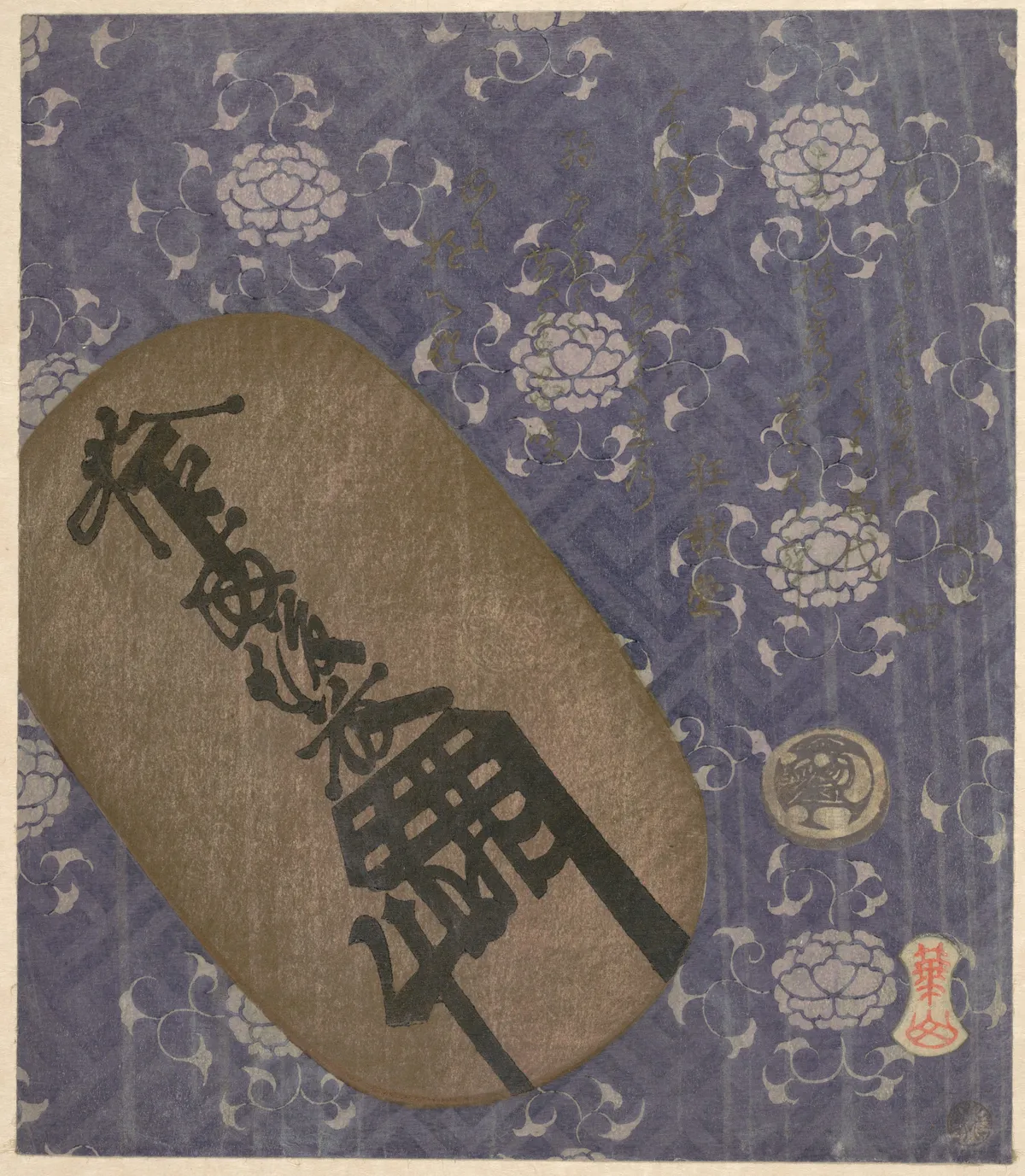
In the dim light of a merchant’s chamber, a delicate peony pattern unfurls like silk across the paper. Gold and silver glimmer upon the surface. An Ōban coin, heavy and warm, sits beside the subtle curve of a mameita-gin, a silver bean. Each piece is a mark of prosperity, a whisper of fortune in an uncertain world.
The air is still, carrying the faint scent of ink and paper. Shadows shift as a candle flickers, casting fleeting glances over the precious metals. The merchant, fingers stained with days of handling coins, pauses to listen. Outside, the city hums with a quiet anticipation, a lull before the clatter of morning trade.
The coins rest in silence, their value immeasurable beyond numbers. They hold stories of transactions, of whispered negotiations, of promises made under the watchful eyes of men like Kazan, who captures their essence on paper. The peony, eternal in its bloom, frames them—a symbol of wealth and elegance.
Historical Echo
Watanabe Kazan, a samurai and scholar, painted amidst an era of economic flux. The Ōban, a large gold coin, was emblematic of the shogunate's power. The mameita-gin, smaller, yet significant, circulated among merchants and townsfolk. In 1822, as Japan stood on the brink of change, these coins were more than currency. They were the pulse of Edo's vibrant economy, captured forever against the soft elegance of peony motifs.