

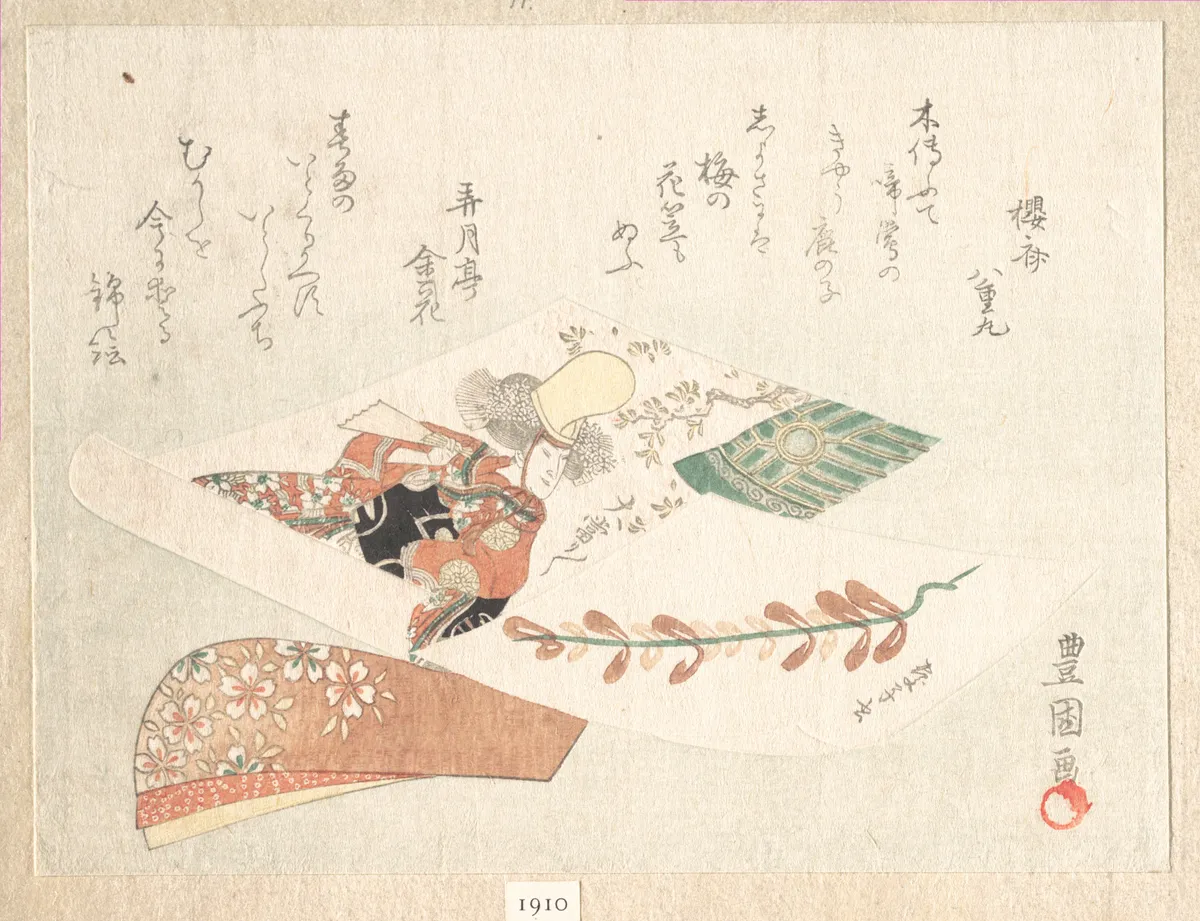
The Dance at Dōjōji
The lanterns flicker softly in the dim theatre. Shadows dance along the wooden stage, echoing the movements of the Kabuki dancer. Her kimono flows with each graceful step. The fabric whispers against the floor, a soft rustle beneath the layers of silence. The audience holds its breath, caught in the spell of her measured gestures and the slow, deliberate twirl of her fan.
She is the maiden of Dōjōji, a figure of legend and tragedy. Her presence commands the space, her eyes glinting with a story untold yet deeply felt. The air thickens with anticipation as the tale unfolds through movement and silence. The actor's face is a mask of painted emotion, each expression subtle yet profound.
A faint scent of incense lingers in the air, mingling with the earthy aroma of aged wood and tatami mats. Outside, the night deepens, a quiet witness to the unfolding drama within the temple's imagined walls. The dancer pauses, a moment suspended in time, before the story resumes its inexorable march towards the inevitable.
The sound of a drum beats softly, a heart beneath the layers of silk and shadow. The audience leans forward, drawn into the story's embrace, their world momentarily forgotten in the ancient tale of love, betrayal, and transformation.
Historical Echo
Utagawa Toyokuni I, renowned for his Yakusha-e depictions, captured Kabuki's essence in this print from the 1810s. The "Musume Dōjōji" play, a tale of forbidden love and transformation, remains a staple of Kabuki theatre. The dancer's portrayal evokes the era's theatrical elegance, where each performance was a delicate balance of art and emotion.