

Shadows of Kiyomizu
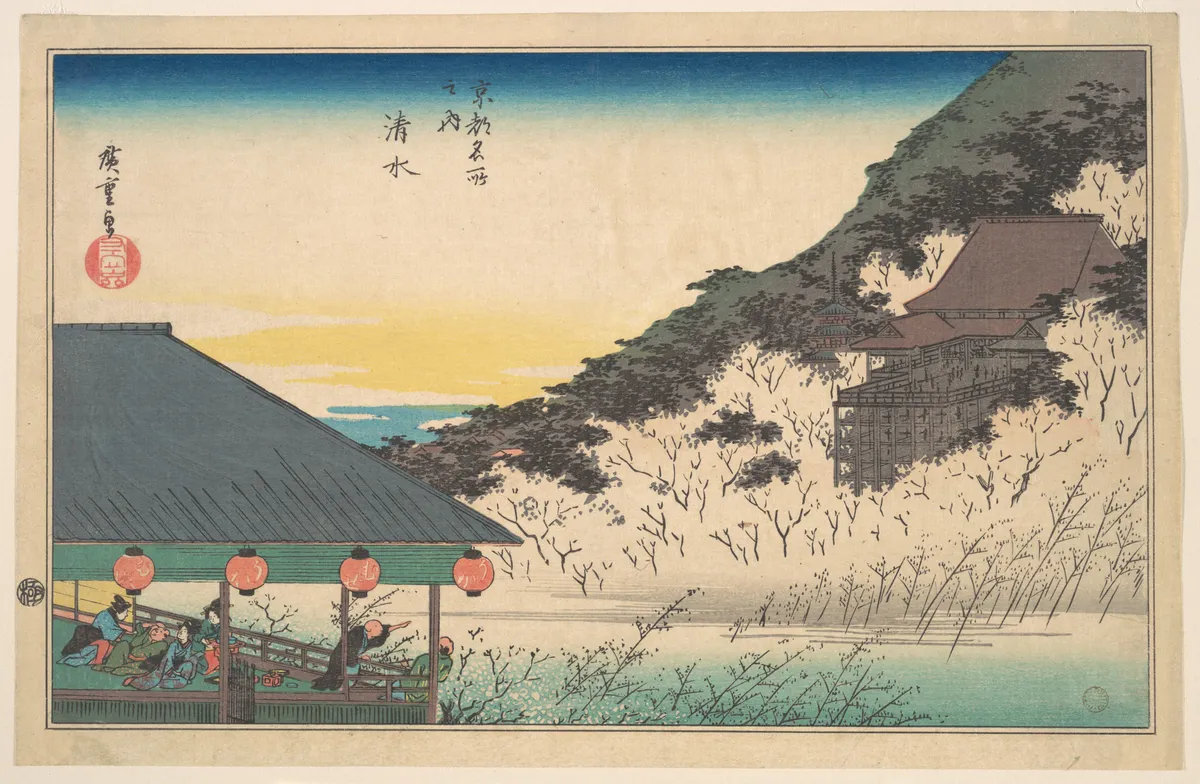
The air hangs thick with morning mist. Kiyomizu Temple stands solemn on its wooden stage. Below, the city of Kyoto stirs, a distant murmur beneath the rising sun. The temple's vast veranda juts out, defying the cliff that cradles it. Pillars of dark wood descend into the void, rooted like ancient trees.
Visitors wander in quiet reverence. Their footsteps echo against the wooden floor, a gentle rhythm to the temple's timeless hymn. Incense smoke curls upward, mingling with the fragrance of cedar. Nature and architecture breathe as one.
A lone monk sweeps the veranda. His straw sandals shuffle softly, brushing away fallen leaves. His movements are slow, deliberate. Each stroke of the broom a prayer in silence. He pauses, gazing out over the city. The horizon blurs where the mist kisses the sky.
Beneath the temple, the Otowa Waterfall whispers secrets to those who dare to listen. Three streams of water, each promising wisdom, love, and longevity. Pilgrims sip from ladles, their wishes lingering in the cool droplets.
Hiroshige captures this fleeting moment. A stillness that holds the promise of eternity. The temple remains, an anchor in the sea of time.
Historical Echo
Kiyomizu Temple, a symbol of Kyoto, is renowned for its breathtaking views and spiritual significance. Built in 778, it has witnessed the ebb and flow of centuries. Hiroshige's 1834 depiction immortalises this sacred place, blending nature and human creation in harmony. Each line, each colour, an echo of the past, resonating through the woodblock's grain.