

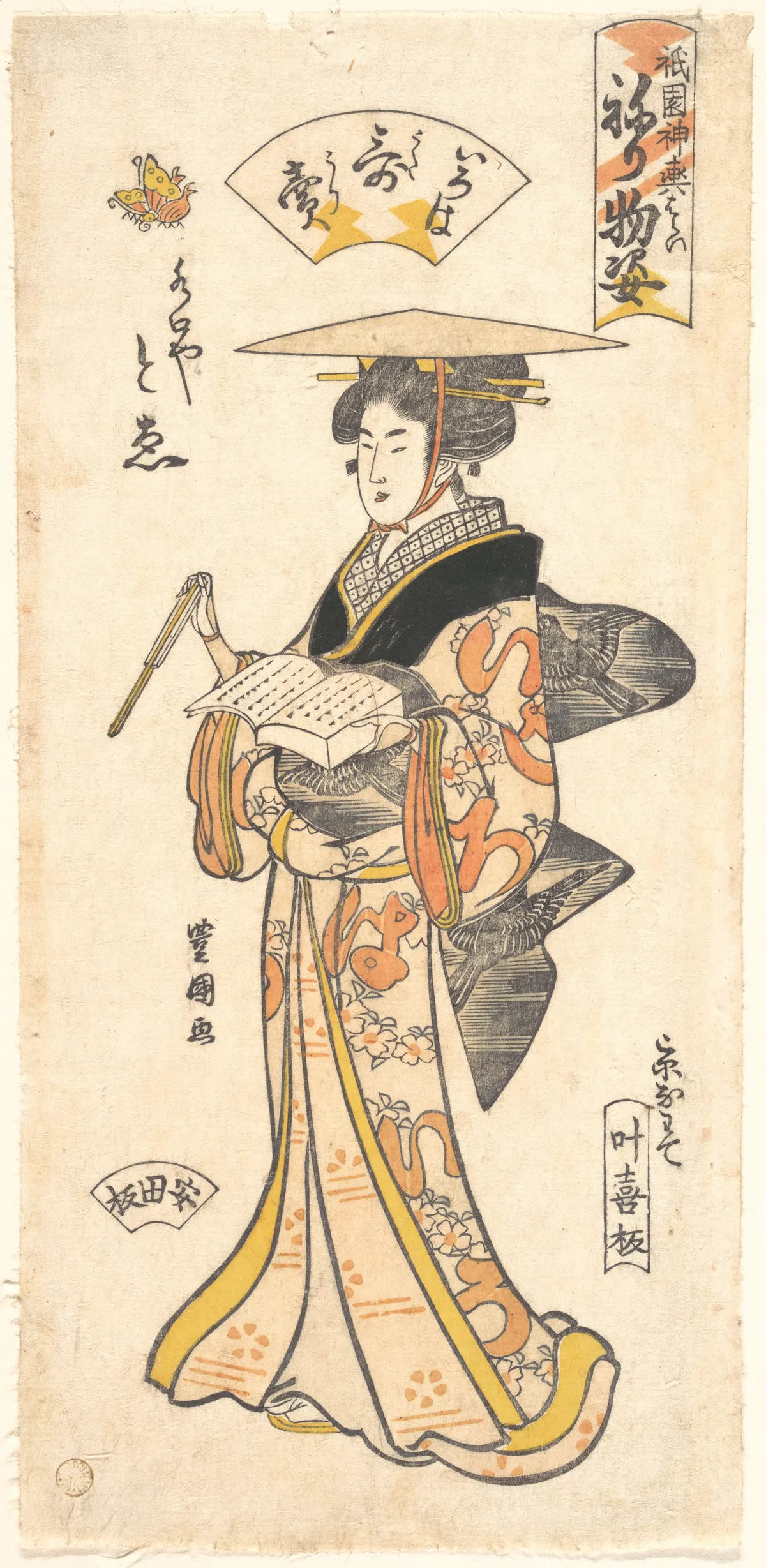
The Geisha's Secret
The night air clings to the narrow streets of Kyoto. Lanterns flicker, casting soft glows on the wooden facades. The Gion Festival unfurls in a slow, deliberate dance. Among the throng, a geisha named To’e moves with practiced grace. Her kimono rustles like whispers.
She carries a tray, laden with poems. Delicate sheets, inked with verses, catch the candlelight. Each poem is a crafted secret. Her voice, soft yet resonant, offers them to passersby. Words of longing, love, and the transient beauty of this fleeting world.
The scent of incense mingles with the night. Shadows shift as festival-goers pause, captivated by her quiet presence. To’e’s eyes, bright yet inscrutable, meet theirs. An exchange, brief but profound, leaves a lingering echo.
A child’s laughter bursts through the murmurs. To’e smiles, a fleeting moment caught on parchment. The festival continues, a river of humanity flowing past her. Yet, in this moment, she remains. A solitary figure weaving a tapestry of words.
Historical Echo
The Gion Festival, one of Kyoto's most celebrated events, dates back centuries. It merges Shinto rituals with vibrant parades. Geisha, cultural icons, often partook in the festivities, embodying grace and artistry. Utagawa Toyokuni I captured this essence in his woodblock prints, immortalising fleeting moments of beauty and tradition.