

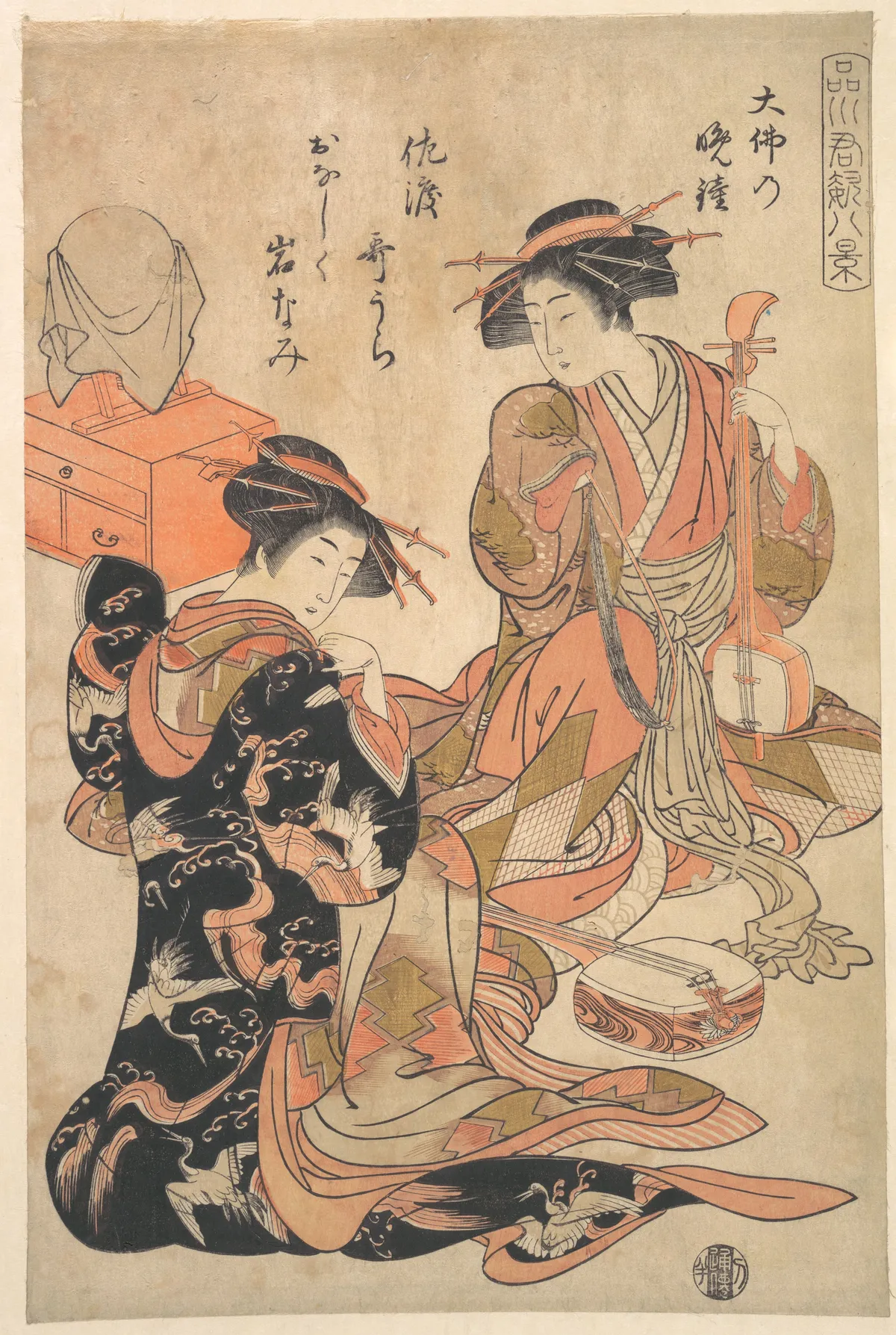
Vesper Bell of the Temple of Great Buddha
The evening air is thick with anticipation. Shadows stretch across the temple grounds. The great bell hangs silent, a sentinel in the gathering dusk. Its presence commands the courtyard, an ancient voice waiting to speak.
A monk approaches, his robes whispering against the stone path. He moves with the weight of ritual, of countless evenings spent in quiet reverence. The wooden mallet rests heavy in his hands, a link between the past and present.
The world holds its breath as he raises the mallet. A moment suspended in time. Then, the strike. A deep, resonant note unfurls, rolling through the temple grounds. The sound is a living thing, weaving between the trees, echoing off the worn faces of statues.
In the distance, the city stirs, acknowledging the call. Homes are warmed by lantern light, the day’s toils set aside. The bell’s voice is a reminder and a comfort, a signal that the world outside the temple walls is still and at peace.
The monk lowers the mallet, the reverberations fading slowly. Silence returns, a companion to the twilight. He bows his head, a gesture of humility and gratitude. The vesper bell has spoken, and the night begins.
Historical Echo
In the late 18th century, Edo was a city of contrasts, where wooden structures stood side by side with elaborate temples. The Temple of Great Buddha was a sanctuary from the bustling life beyond its gates, a place where the spiritual and the mundane met. The vesper bell, a daily ritual, marked the transition from day to night, a moment of reflection amidst the chaos.
Kitao Shigemasa, a prominent ukiyo-e artist, captured this serene moment in his work. His prints were windows into a world of fleeting beauty and subtle emotion, where the simplicity of daily life held profound meaning. The vesper bell, with its deep, resonant call, was not just a sound, but a symbol of continuity and peace in an ever-changing world.