

The Silent Ronin
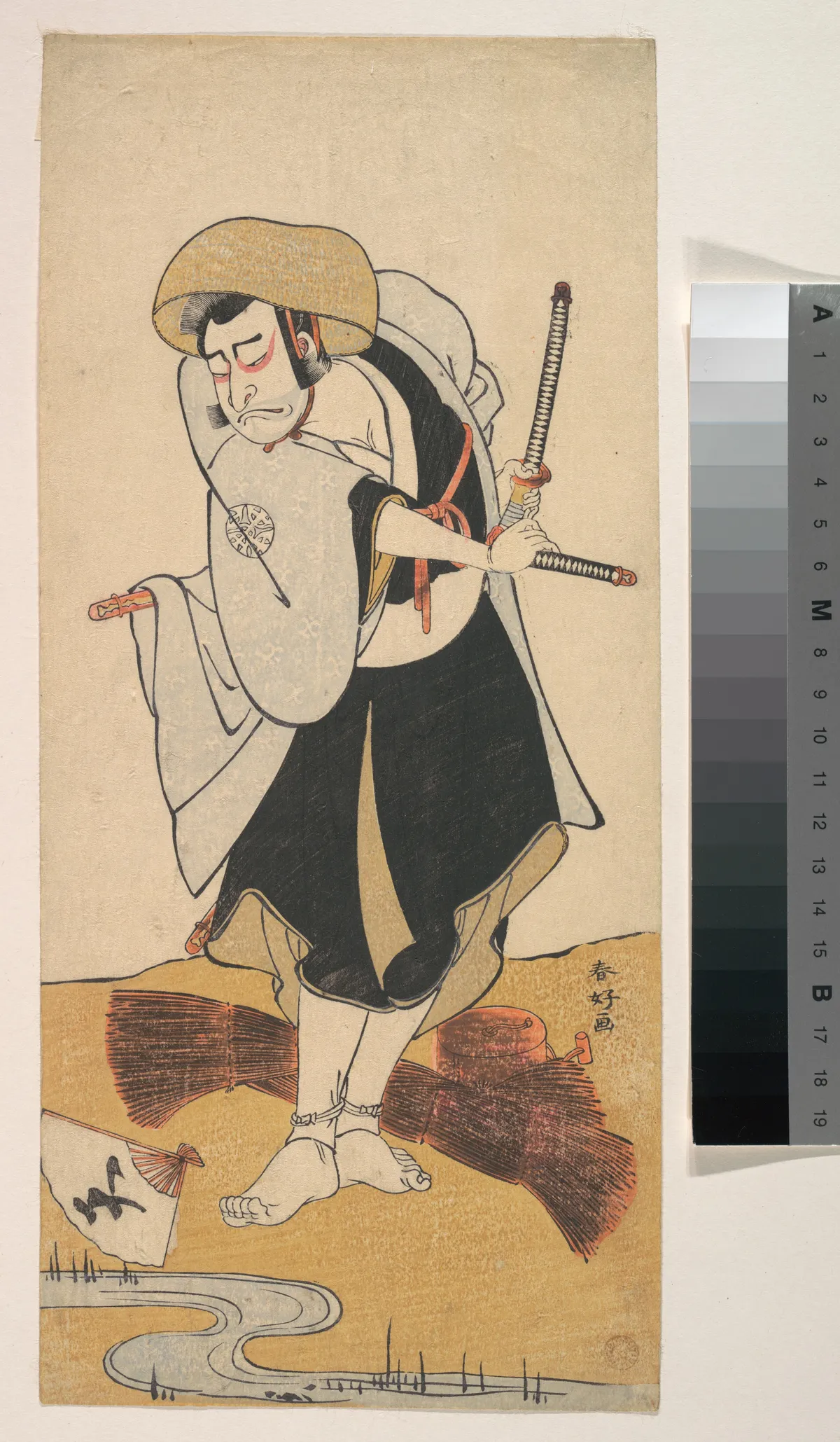
The lantern flickered. Shadows danced upon the paper walls. Nakamura Nakazo stood still, wrapped in a black kimono. The air was heavy with the scent of rain-soaked earth. His eyes, sharp and weary, peered into the dim room. A ronin without a master, he carried the weight of solitude.
The wooden floor creaked beneath his feet. His kimono rustled softly as he moved, a whisper against the silence. Moonlight filtered through the shoji, casting pale patterns on his face. He paused, listening to the distant murmur of the city. The echo of a past life lingered in the silence.
His hand brushed the hilt of his sword. It was cool and familiar, a constant companion. Outside, the wind sighed through the pines. Inside, the warmth of the lantern was a fragile comfort.
Nakamura Nakazo, once celebrated, now walked a path of shadows. His presence was a quiet storm. He breathed deeply, tasting the night's chill. The world outside was vast and indifferent. In his solitude, he found a strange peace.