

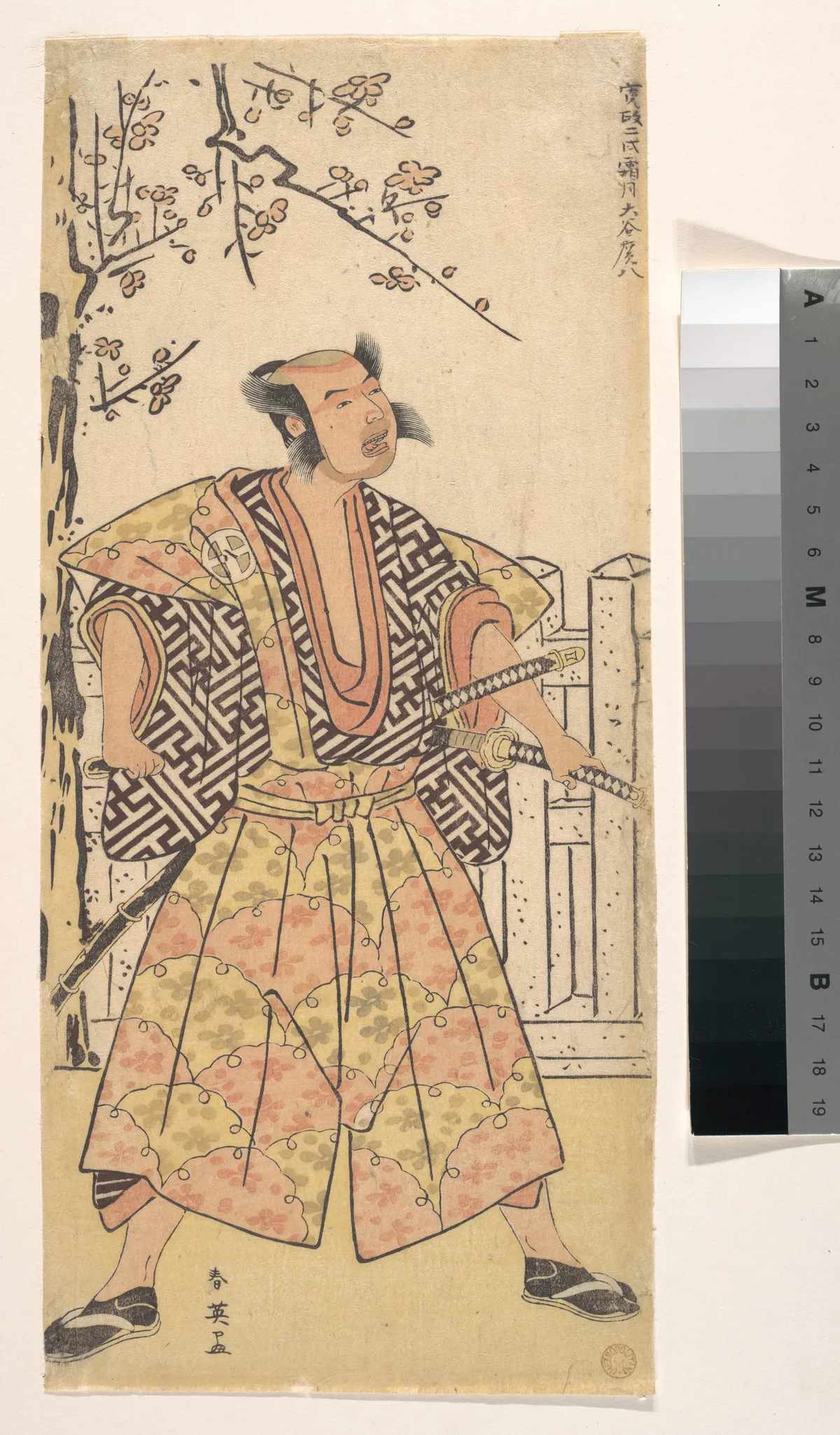
The Gaudy Samurai
The room was hushed, save for the soft murmur of silk against tatami. A flickering candle cast uncertain shadows, dancing on the paper screen. Otani Hirohachi stood, a figure of striking elegance, his gaudy kamishimo catching the dim light. The fabric shimmered, a riot of colours in the subdued room, each thread telling its own story.
His gaze was steady, eyes dark pools reflecting a world of duty and honour. The air was thick with the scent of sandalwood, mingling with the faint mustiness of old wood. A breeze slipped through a crack, rustling the hem of his garment, whispering secrets of the past.
Hirohachi’s hands rested lightly on the hilt of his katana. The metal was cold, a silent reminder of battles fought and those yet to come. Outside, the night was still, the distant call of a night bird the only sound in the enveloping silence.
In the theatre of life, Hirohachi played his part with solemn grace. The samurai's path was one of shadows and light, each step etched in the annals of time. His presence was a quiet storm, the calm before a tempest.
Historical Echo
In December 1790, Katsukawa Shun'ei captured the essence of Otani Hirohachi, an actor embodying the spirit of a samurai. The Edo period was a stage, where life and art intertwined, each performance a fleeting moment of eternity. Shun'ei, a master of the ukiyo-e, immortalised this transient world in woodblock prints, preserving the ephemeral beauty of the theatre.