

The Quiet Room
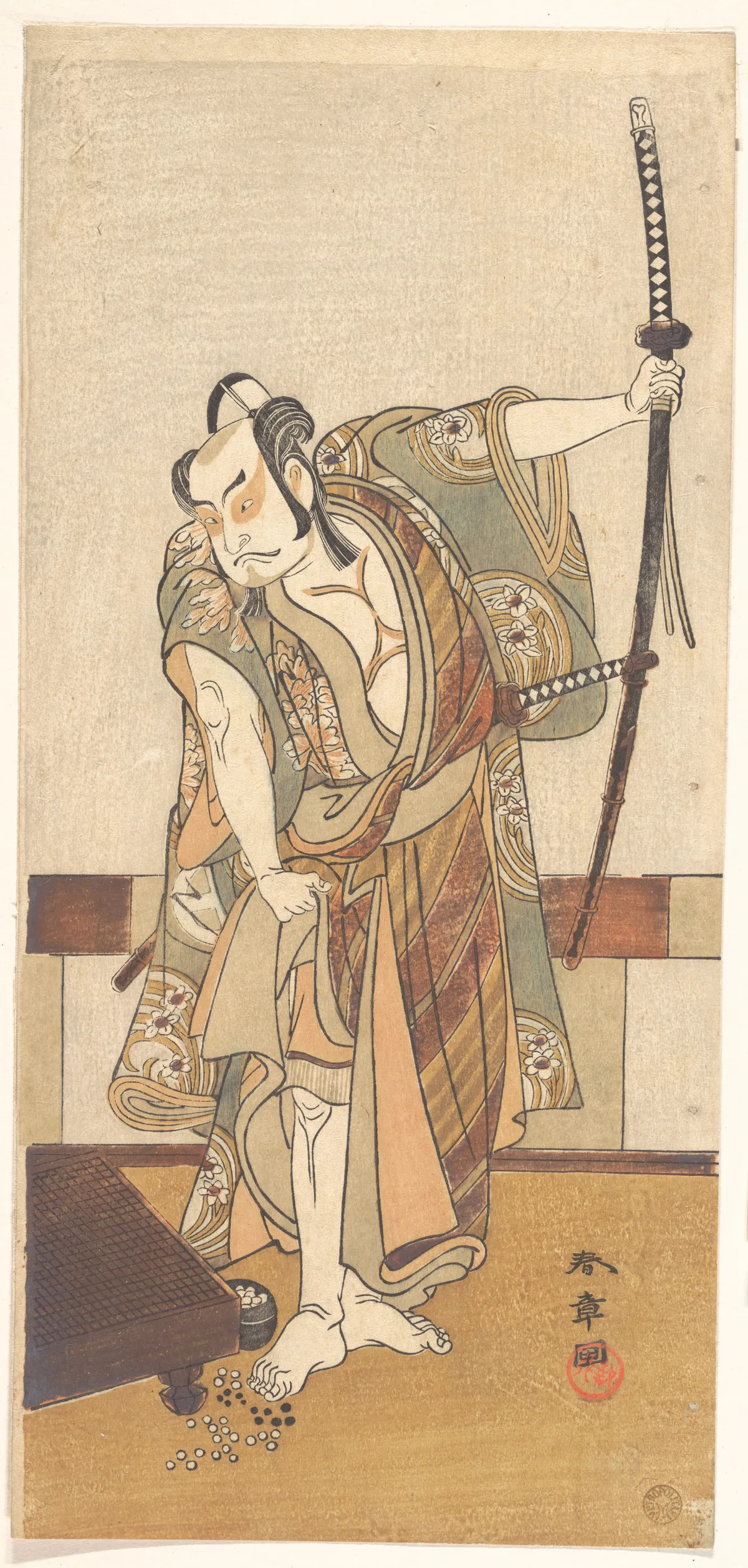
Hiroji stands alone, the room silent around him. His armour gleams softly in the dim light. A samurai of high rank, he commands the space without a word. His gaze is steady, eyes like still water, reflecting the muted shadows of the room. The floorboards creak under his weight, a subtle reminder of his presence.
The tatami mats absorb the light, lending the air a thick, hushed quality. A faint breeze stirs the paper screens, carrying the faint scent of ink and pine. Hiroji's hand rests on the hilt of his sword, fingers brushing the cool metal with casual familiarity. The fabric of his robe whispers against the polished armour, a soft symphony of authority and restraint.
Outside, the world is a distant murmur, the hustle of Edo life muted by the walls. Here, in this quiet room, Hiroji is both a figure of power and a man alone with his thoughts. The past lingers in the air, an unspoken echo of battles fought and honour upheld. Yet the future remains unwritten, a scroll waiting to be unfurled.
Historical Echo
Katsukawa Shunshō captures the essence of a samurai's solitude and stature in this woodblock print from 1774. The portrayal of Otani Hiroji, a renowned kabuki actor, embodies the intersection of performance and reality, where the stage mirrors the life of samurai. Shunshō's work reflects the Edo period's fascination with bushido and the theatre, capturing a moment where history and art converge in silent dialogue.