

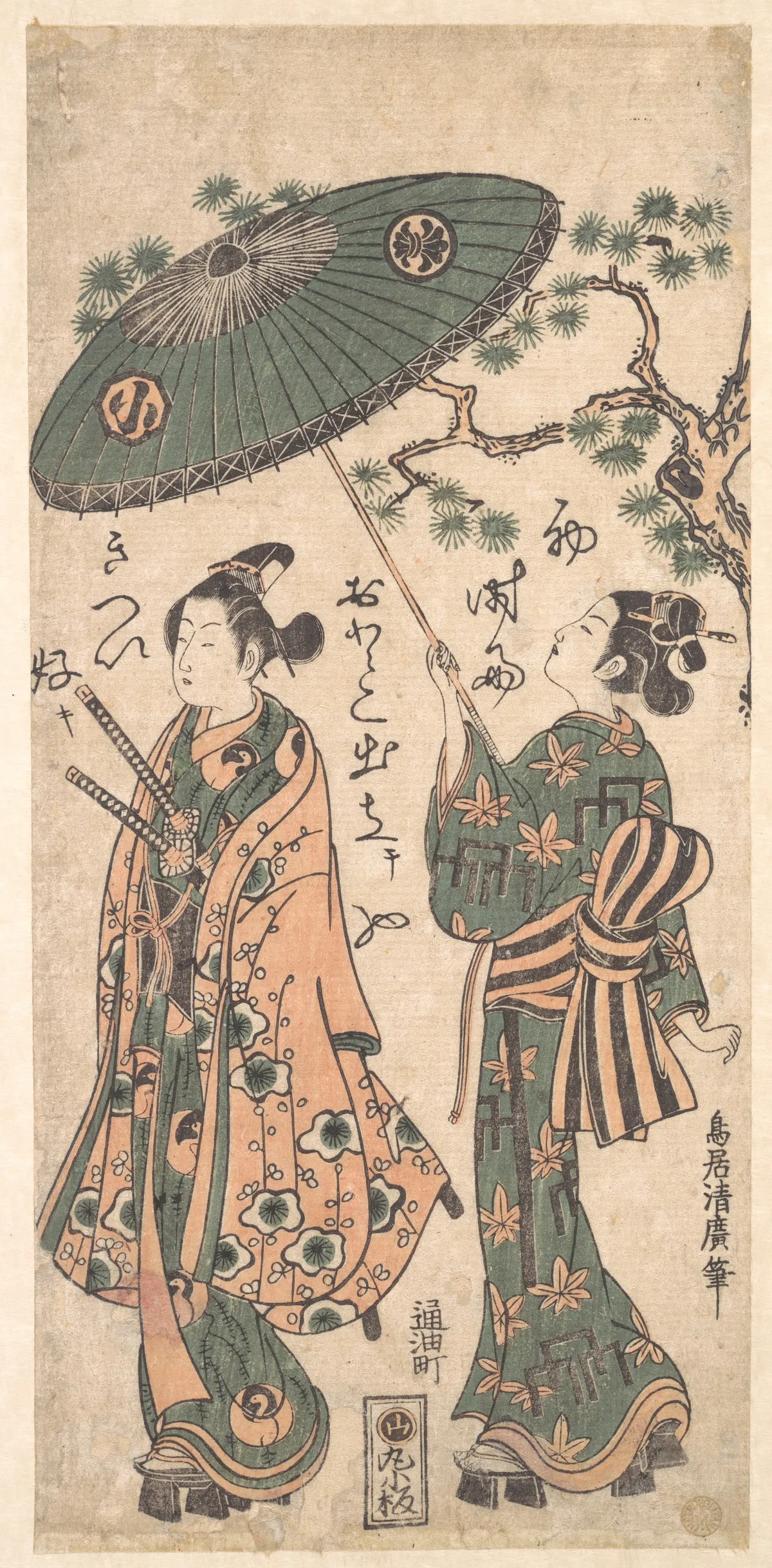
The Actor's Secret
The air was heavy with incense. A whisper of silk brushed against the tatami. Arashi Otohachi, his face a mask of serenity, stood alone in the dim light. His reflection shimmered in the lacquered wood, a ghostly twin. A samurai, yet not. His garments, layers of a woman’s elegance, concealed the warrior’s heart within. The theatre's silence loomed, a presence as palpable as the actor himself.
Outside, lanterns swayed, their glow a gentle pulse in the night. The echo of distant footsteps faded into the shadows. In the hush, the actor's breath was a quiet rhythm, grounding him in this in-between world. The weight of the role pressed against his skin, yet there was a freedom in the disguise.
He moved, a slow deliberate step, the silk trailing like whispers behind him. Each movement, a careful dance, a dialogue with the unseen audience. The transformation was complete. Arashi Otohachi was no longer himself, but a vessel through which stories flowed—a young samurai, a woman, a dream.
The stage awaited, a void ready to be filled with life. He paused, listening to the silence, feeling its weight. The moment stretched, timeless, before he stepped forward. The world outside faded, leaving only the illusion and the truth intertwined.