

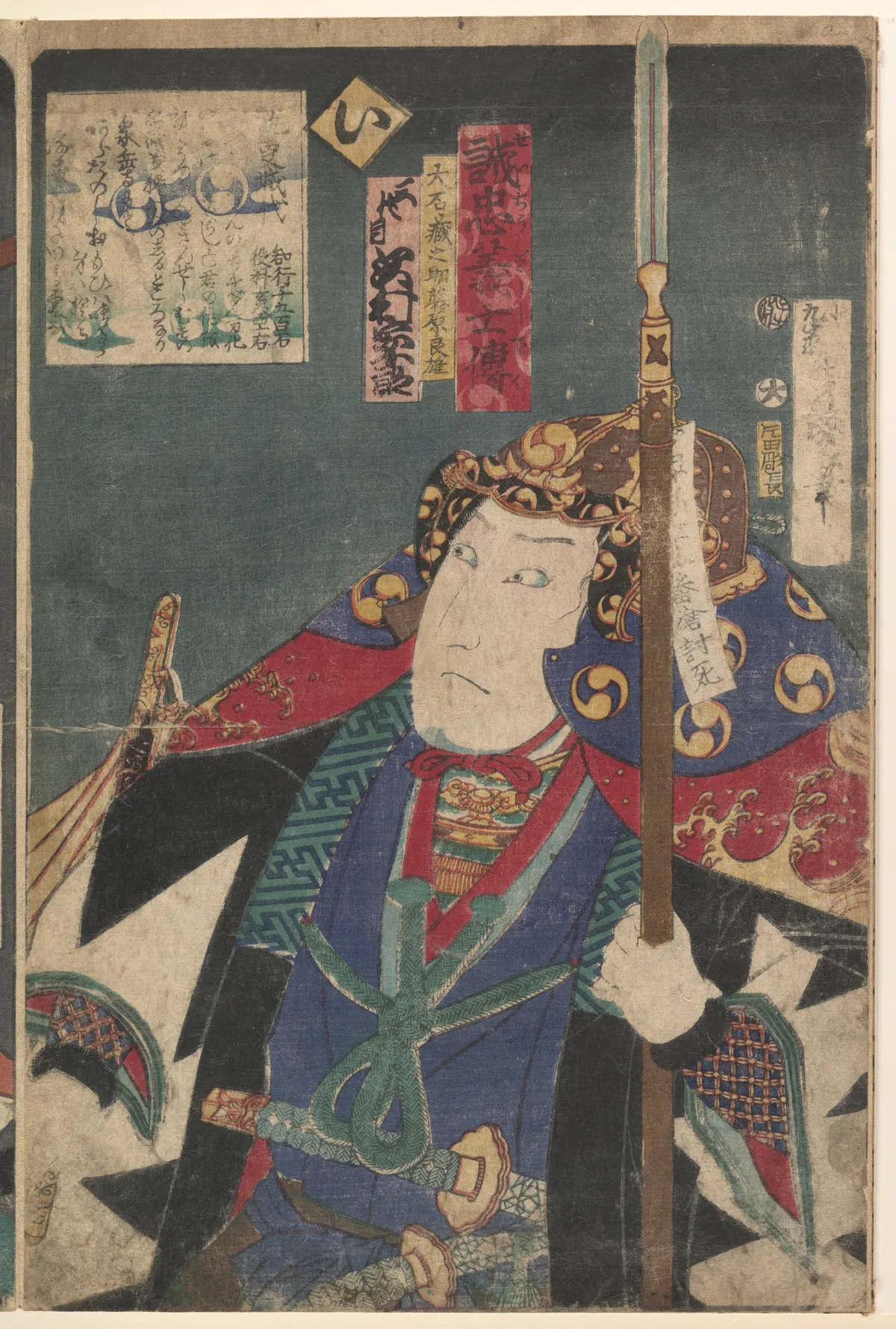
Night of the Ronin
The room is dim. Shadows dance across the wooden floor. The scent of incense lingers in the air, mingling with the earthy aroma of damp tatami. The actors, their faces painted in stark whites and reds, move with deliberate grace. Their robes, heavy with silk, rustle softly as they take their places.
A low hum of voices rises, a murmur of anticipation. The audience, cloaked in darkness, waits. The story of the 47 Ronin is well known, yet each telling holds a new weight. Honour, betrayal, and the cold edge of revenge cast a palpable tension.
A drum beats. Slow. Steady. The sound echoes, filling the space between breaths. The actors, now transformed into the legendary warriors, draw their swords. The metal glints, catching the flicker of lantern light. Eyes narrow, focused, as the drama unfolds in silence.
The leader, his voice a whisper, commands attention. He speaks of duty, of sacrifice. The room listens, holding its breath, as if the very air might shatter the delicate balance.
Outside, the wind sighs through the trees. A reminder of the world beyond this moment. Yet here, time stands still. The 47 Ronin live once more, their tale etched into the night.
Historical Echo
The story of the 47 Ronin, or "Chūshingura," remains a cornerstone of Japanese culture. It recounts the true events of 1701-1703, when forty-seven samurai avenged their master's forced seppuku. Utagawa Kunisada captures this tale through the lens of Kabuki theatre. His print immortalises both the actors and the legend, blending reality with performance. The audience is drawn into the spectacle, bridging past and present.