

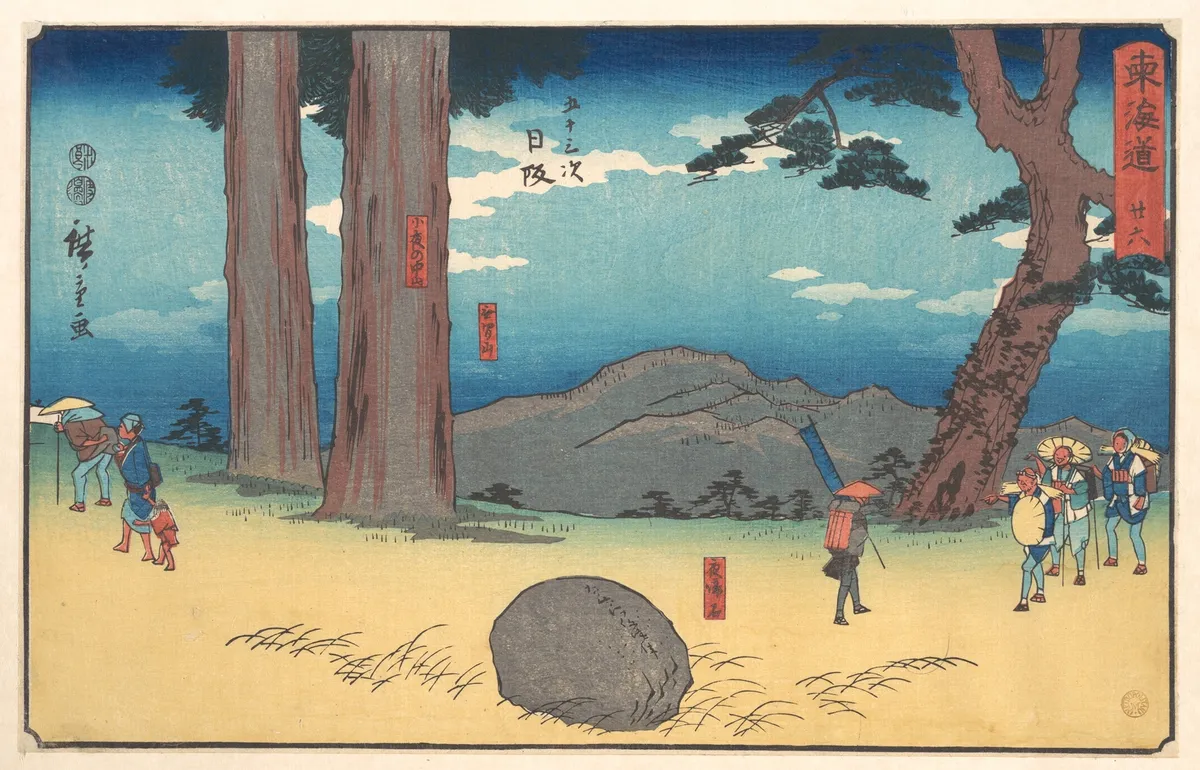
Nissaka: The Silent Pass
The air hung heavy with mist. Pine trees lined the narrow path, their needles whispering in the wind. A traveller paused, adjusting his straw hat against the damp chill. The road wound through the Nissaka pass, its curves hidden by the morning fog. He could hear the soft crunch of gravel beneath his sandals, each step a quiet echo in the stillness.
A small group appeared, silhouettes moving slowly. They carried bundles, their burdens swaying rhythmically with each step. The traveller joined them without a word. They nodded, a silent acknowledgment of shared purpose. The road was unforgiving, the ascent steep, but their spirits were unbroken.
The mist parted briefly. A glimpse of distant hills, their outlines blurred, then vanished once more. The traveller felt the weight of history in the air, the countless feet that had tread this path before him. The faint scent of pine lingered as the fog closed in again.
Around a bend, a lone figure emerged. An old man, bent with age, sat beside the road. His eyes were closed, lost in a world beyond the pass. The traveller paused, offering a respectful bow. The old man nodded, a slight smile playing on his lips, as if he knew secrets the mist concealed.
The group pressed on, the path guiding them upwards. Voices low, they spoke of distant Edo, of dreams and hopes. The traveller listened, the rhythm of their words matching the beat of his heart. Nissaka's silence embraced them, each step a testament to the enduring journey.
Historical Echo
The Nissaka pass, a vital link on the Tōkaidō road, witnessed countless travellers. Hiroshige captured its essence around 1848–49. The woodblock print conveys the quiet determination of those who walked its path. Each traveller a story, each step a whisper of history.