

The Silent Stage
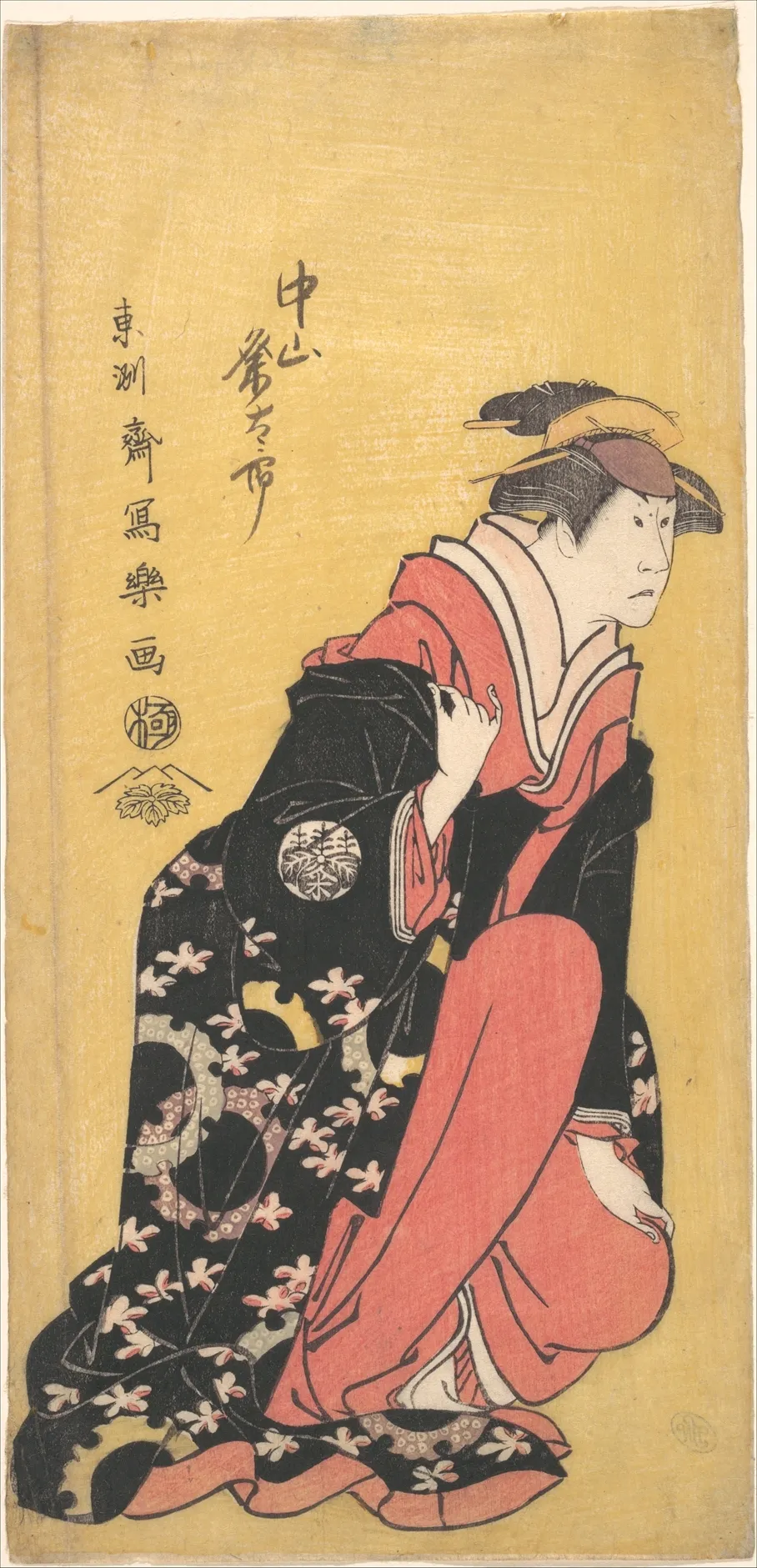
The lanterns flicker against the night air. A lone actor stands, his face a mask of intense expression. Nakayama Kumetaro II, his eyes sharp, lips poised, captures the essence of a distant echo. The air is heavy with the scent of ink and wood. The stage is silent, yet alive with anticipation. Shadows play across his garment, whispering secrets of past performances. The weight of his presence commands the space, drawing in the unseen audience. The night holds its breath, as if the world waits for his next move. Silence is his greatest ally, the unspoken tension a testament to his artistry. Kumetaro's gaze pierces through the void, a moment captured in time.
Historical Echo
In the late Edo period, Tōshūsai Sharaku emerged briefly, yet left an indelible mark. His portraits of actors like Nakayama Kumetaro II captured the raw emotion of kabuki theatre. Sharaku's work, though fleeting in appearance, revealed the soul beneath the mask. His prints remain a haunting testament to the ephemeral nature of performance and life.