

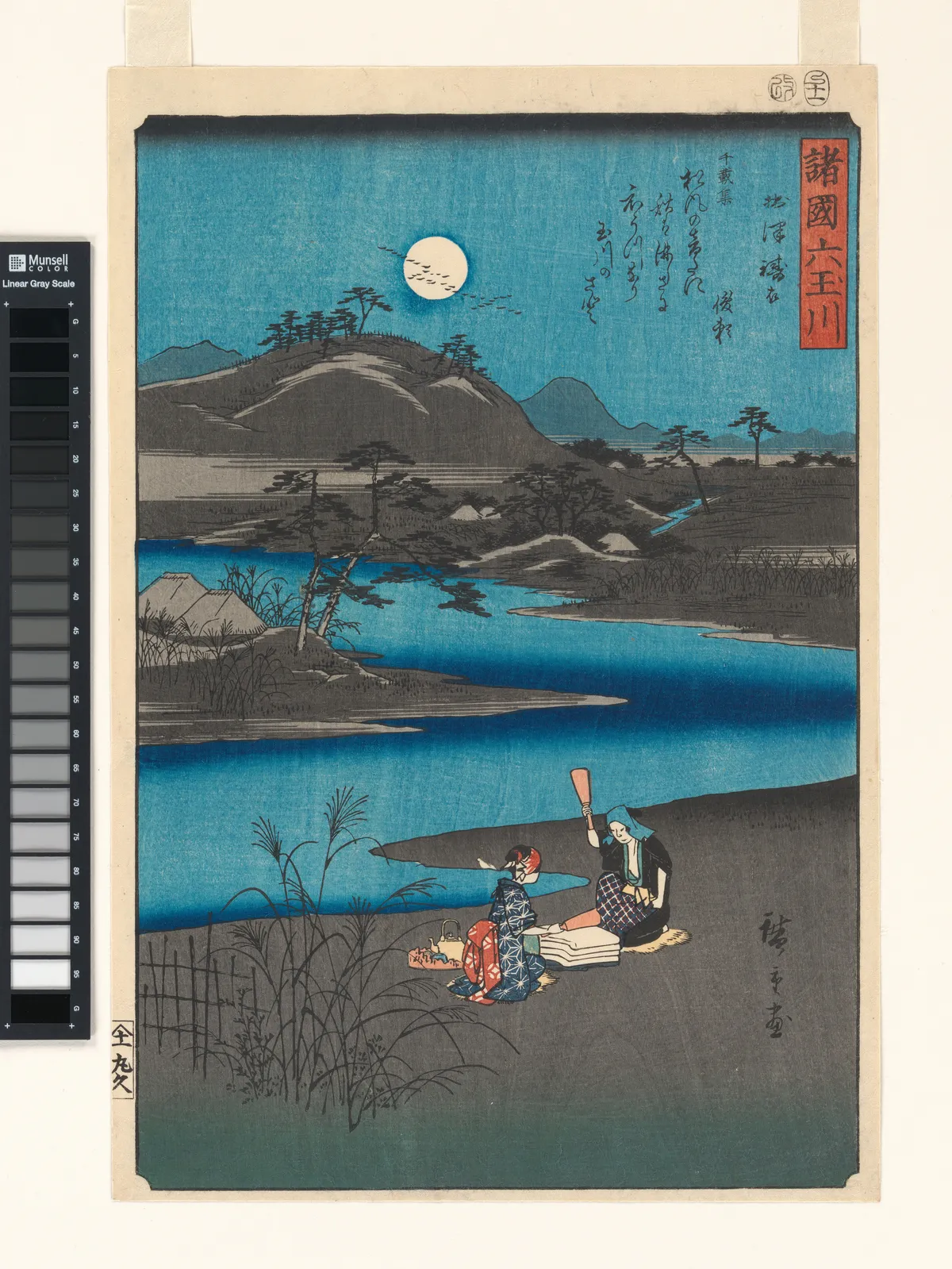
Silent Waters, Whispering Pines
The river glides beneath a muted sky. Its surface reflects the grey-blue hue of dawn. Pines line the banks, their needles whispering secrets to the wind. The air is thick with morning mist, hanging heavy like an unspoken thought.
A lone figure stands at the water’s edge. His eyes follow the flow, tracing the river’s journey beyond the horizon. The cloak around his shoulders is damp, the fabric absorbing the moisture of the early hour.
Each ripple in the water holds a story. Here, the river is a keeper of time, a silent witness to the passage of seasons. Autumn leaves drift by, their colours muted yet vibrant against the sombre backdrop.
The scent of soil and pine fills the air. It mingles with the faint aroma of distant woodsmoke. Somewhere, a bird calls—a single, mournful note that echoes through the stillness.
The man kneels, his hand brushing against the surface. The chill bites his skin. Yet, he lingers, drawn to the river’s quiet song. It speaks of other places, other lives, weaving tales through its gentle current.
In the distance, hills rise, shrouded in soft mist. They cradle the river, guiding its path through the landscape. The scene is timeless, a moment suspended between night and day.
As the first light breaks, the river glimmers. It is a jewel, a fleeting glimpse of beauty in a world waking from slumber.
Historical Echo
Utagawa Hiroshige crafted this serene vision in 1857. "Six Jewel Rivers from Various Provinces" captures the essence of nature’s quiet power. The rivers, each from a distinct province, hold cultural significance in Japanese poetry and art. Their beauty, immortalised in this print, speaks of Hiroshige’s masterful touch. His landscapes are not just scenes but emotions, bridging the viewer to a time when nature’s voice was the loudest. This print remains a testament to the enduring beauty of Japan’s landscapes, a silent echo of the past.