

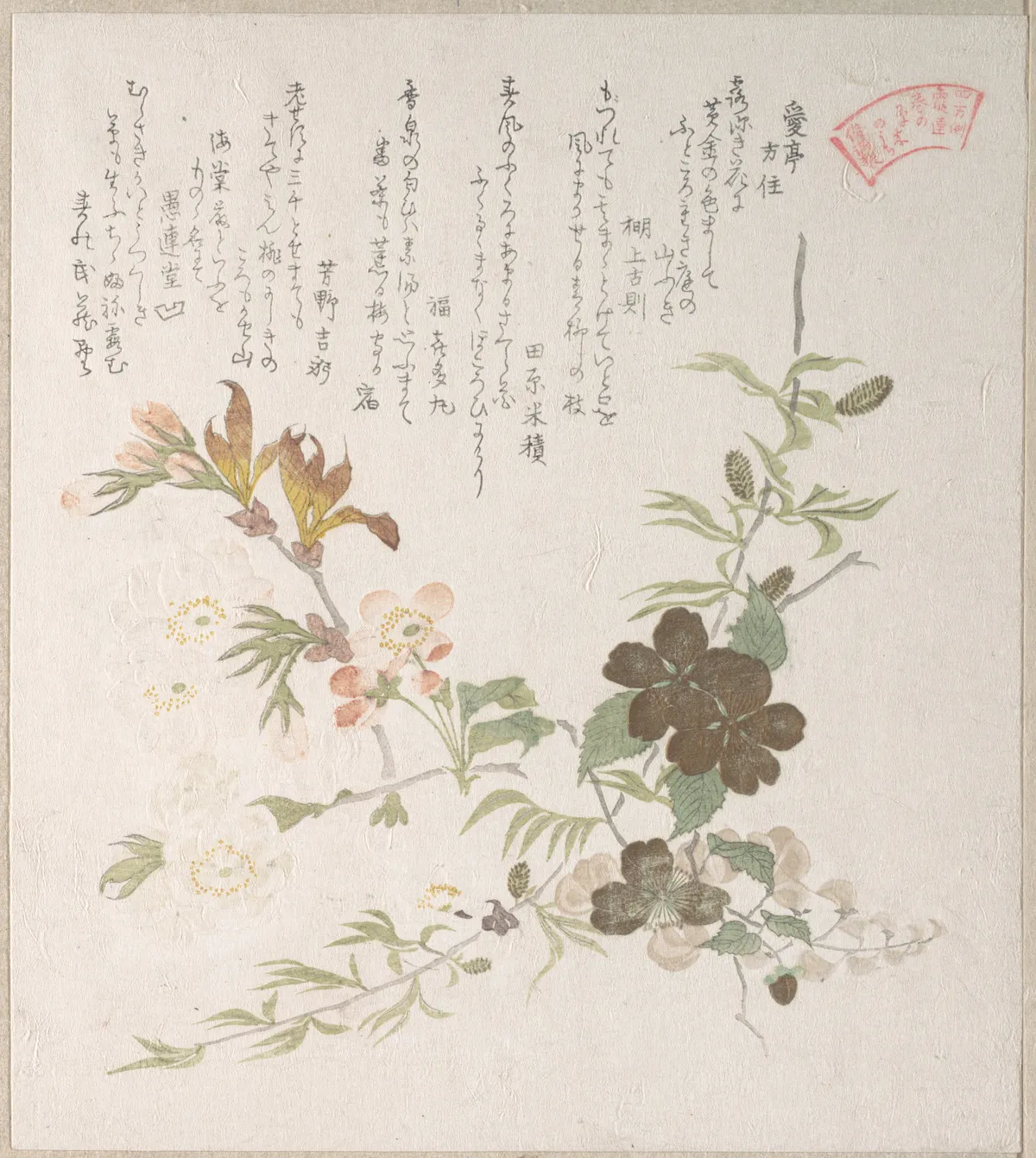
The Silent Petals
The air hung thick with the fragrance of cherry blossoms. Beneath their delicate canopy, the yamabuki flowers glowed like scattered gold coins. A gentle breeze stirred the branches, sending a flurry of pale petals to the ground. The scene felt suspended in time, a moment both fleeting and eternal.
A distant cuckoo called, its voice echoing through the quiet of the garden. The sound seemed to carry the weight of distant memories, stories long forgotten. Each note lingered in the air, mingling with the sweet scent of the blooms.
In this hush, a shadow moved. A lone figure, wrapped in the soft folds of a kimono, approached the blossoms. Their steps were slow, deliberate, as if each movement was a reverent ritual. They paused, reaching out to touch a branch, fingers brushing against the fragile flowers. Petals fell, a gentle rain of white and pink.
The figure stood still, eyes closed, breathing in the essence of spring. Time seemed to fold around them, the past and present entwined in the quiet beauty of the garden. The world outside faded away, leaving only the whispers of the blossoms and the silent dance of the yamabuki.
Historical Echo
Kubo Shunman, known for his delicate depictions of nature, captured the transient beauty of cherry blossoms and yamabuki flowers in the 19th century. These motifs, cherished in Japanese culture, symbolise both the fleeting nature of life and the enduring beauty of the natural world. In Shunman's work, the blossoms and flowers are more than mere subjects; they are silent witnesses to the passage of time, echoing the quiet resilience of nature.