

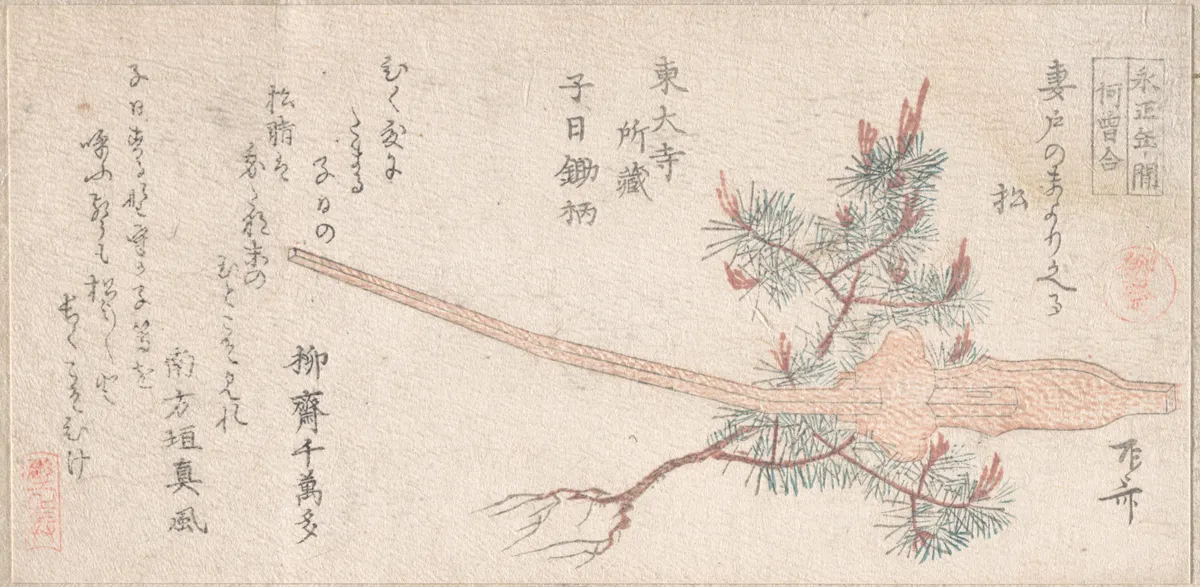
Young Pine Tree and Handle of a Plow
The air is thick with the scent of pine. A young sapling stands resolute against the morning mist. Its needles are sharp, fresh, a vivid green against the muted earth. Beside it, the handle of a plow rests, worn and silent. The wood, smoothed by hands long gone, is cool to the touch.
A man once stood here. His grip firm, his eyes set on the soil. Seasons passed, yet his presence lingers in the air, a ghostly whisper in the rustle of leaves. The plow waits, its task unfinished, as if time itself paused to honour the simplicity of the scene.
The dawn is still, save for the occasional call of a distant bird. The world holds its breath, as if not to disturb the harmony between man and nature. The young pine sways gently, its roots digging deeper with each passing day.
In this quiet moment, the past and present meld into one. The handle of the plow and the young pine tree stand as sentinels of a time when life was slow, deliberate, a rhythm dictated by the land.
Historical Echo
In the Edo period, the rhythm of life was dictated by the land. Farmers and their tools were bound in a dance of survival. The pine tree, a symbol of endurance, grows steadily, a silent witness to the passage of time. Ryūryūkyo Shinsai captured this essence, freezing a moment where nature and humanity meet in quiet reverence. The simplicity of the scene belies a deep connection to the earth, a reminder of an era when every breath was in tune with the seasons. The ukiyo-e print serves as a testament to the enduring bond between man and the natural world.