

The Whisper of the Drum
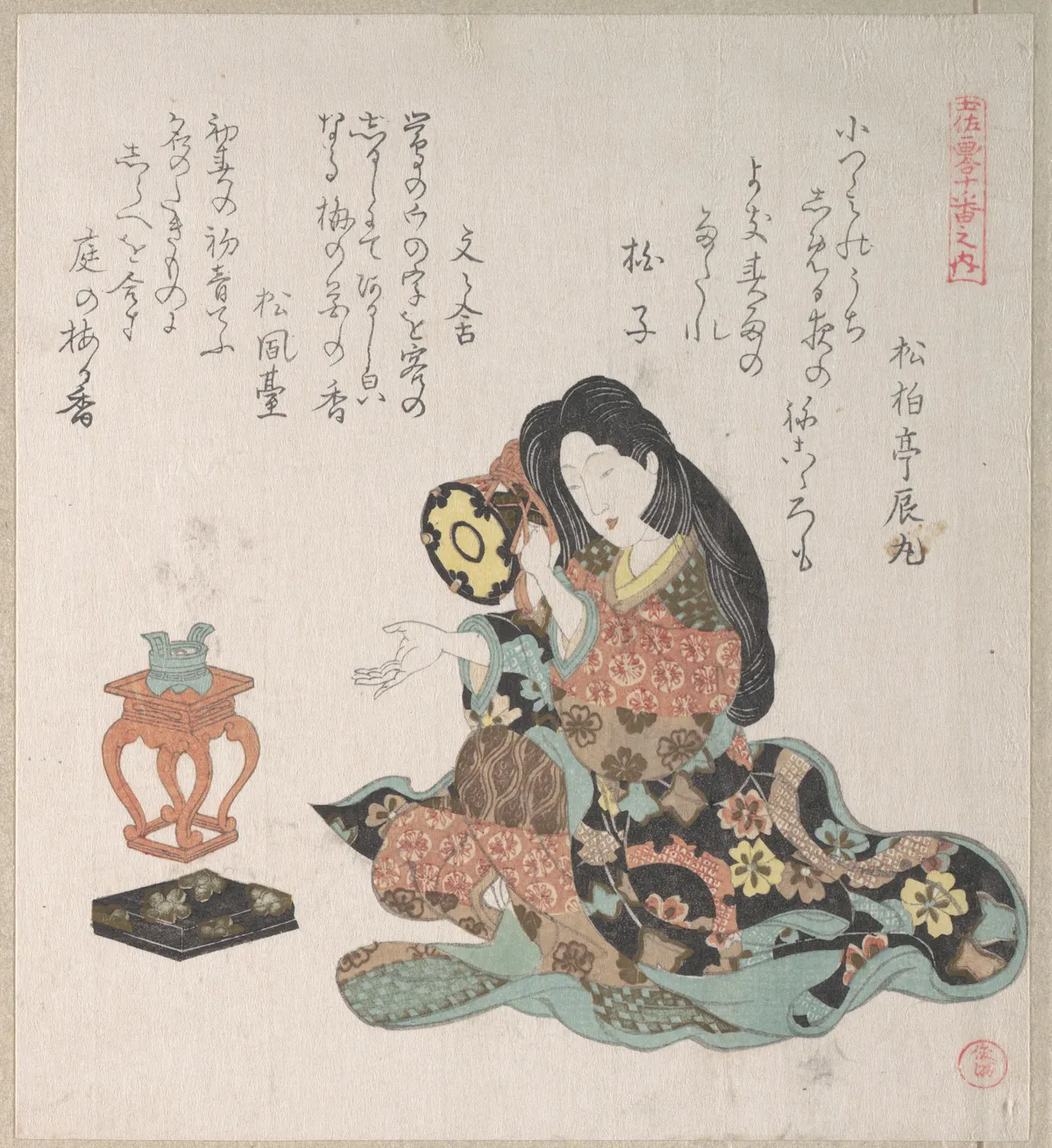
The air hung heavy with the scent of sandalwood. Shadows flickered on the shoji screen, cast by the soft glow of a nearby lantern. A lady, her kimono a cascade of delicate patterns, sat gracefully beside an ornate incense burner. The gentle hum of the night wrapped around her, a silent audience to her solitary performance.
Her hands moved with an almost ethereal grace, striking the hand-drum with practiced precision. Each beat resonated through the room, a quiet heartbeat in the stillness. The drum's skin was taut, its voice clear and resonant, echoing softly against the wooden floor.
The incense smoke spiralled upwards, a delicate dance in the dim light, mingling with the notes of her music. Her eyes, half-closed, seemed lost in a world shaped by sound and scent, a realm where time moved slowly and memories lingered like ghosts.
Outside, the world was silent. Only the soft rustle of leaves occasionally disturbed the night. Inside, the rhythm of the drum spoke of distant places and forgotten tales. The lady's fingers moved deftly, drawing out a melody that seemed almost ancient, a song sung to the night itself.
The air was thick with the past, each beat of the drum a whisper of history. The incense burned low, its fragrance a fading memory, as the lady continued her quiet serenade to the darkness.
Historical Echo
In the Edo period, music and incense were often intertwined in private rituals of reflection and artistry. The hand-drum, or tsuzumi, was a traditional instrument, its sound both intimate and profound. Kubo Shunman captured this moment of serene introspection, blending the visual and the ephemeral in a single, timeless scene.