

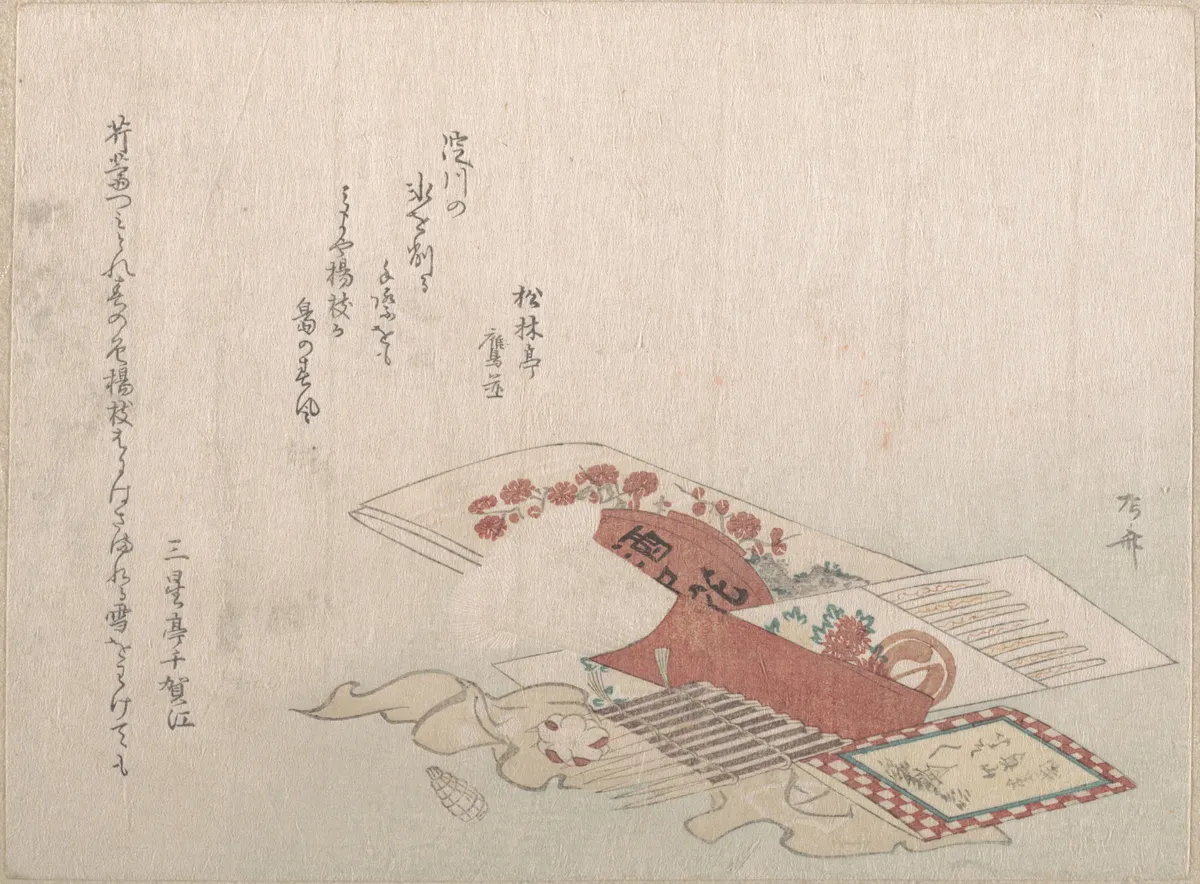
Toothpicks and Their Cover
The room is silent, save for the soft rustle of paper. A slender box lies open, revealing its contents: toothpicks, meticulously lined, like soldiers in repose. The wood is pale, almost blending with the rice paper beneath. A faint scent of pine lingers in the air, a whisper of the forest from which they came.
Outside, the world continues in muted tones. The soft patter of rain against the eaves and the gentle murmur of the wind through the bamboo. Inside, time seems suspended, held within the confines of this small, everyday object.
The toothpicks are simple, yet in their simplicity lies beauty. Each one carved with care, a testament to the craftsman's skill. The cover, a delicate sheath, sits beside them. Its texture, smooth under the fingers, speaks of countless hands that have crafted and held it.
In the dim light, the scene is both ordinary and profound. This is a glimpse into a world where even the most mundane objects hold significance. A world where beauty is found in simplicity, and stories are etched into the grain of wood.
Historical Echo
In the Edo period, objects of daily life were more than mere tools. They were reflections of the world, mirrors of the culture that crafted them. Toothpicks were no exception. Crafted with precision, they were symbols of refinement, their use a mark of etiquette and elegance.
Ryūryūkyo Shinsai captured this essence in his work. His lines are spare, his details precise. Through his eyes, we see the world of Edo—where even a toothpick and its cover could tell a story of grace and simplicity.