

The Gift's Quiet Promise
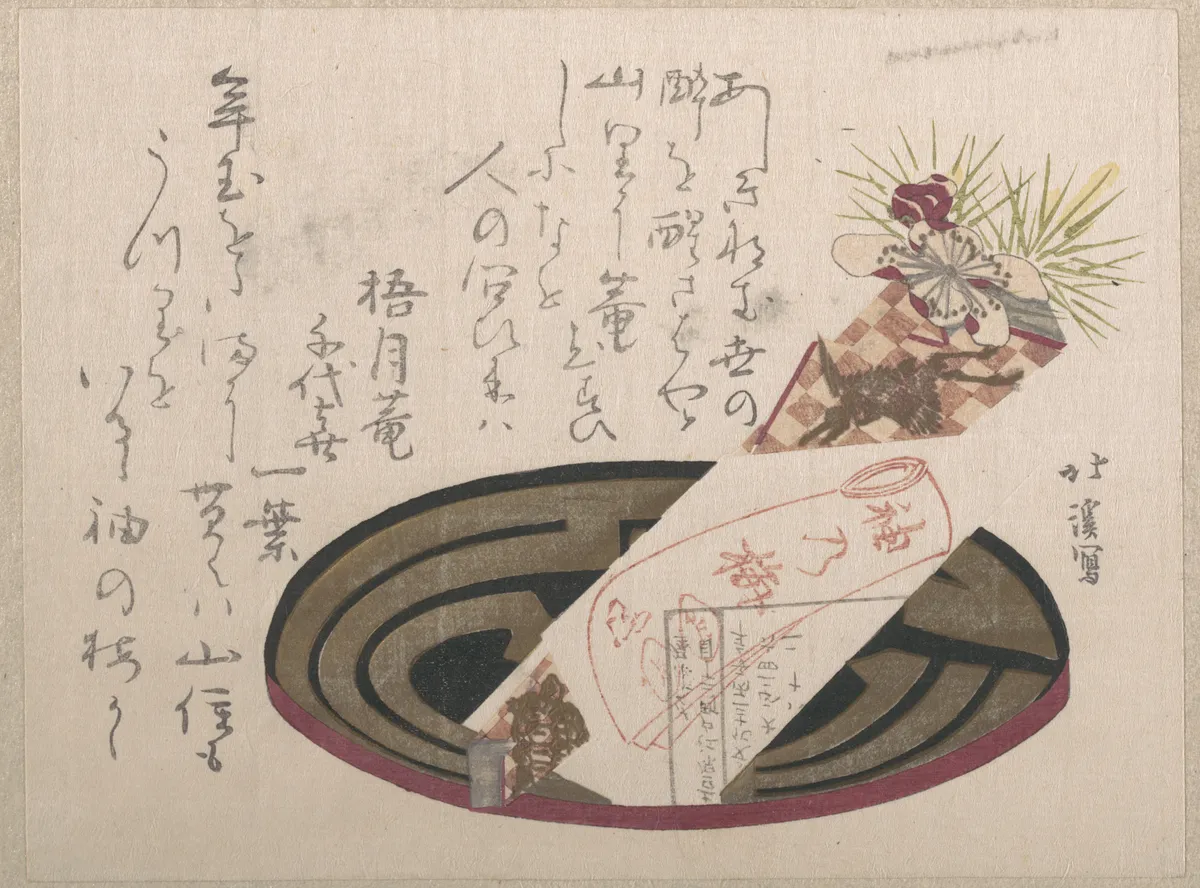
A tray rests in silence. Its surface gleams softly, holding a piece of noshi paper. The paper, delicate and deliberate, signifies a gift. The room is still. The air hangs heavy with anticipation, like the moments before a storm. Light from a lone lantern flickers, casting shadows that dance across the tatami floor.
In the quietude, the noshi paper whispers of the giver's intentions. The wood of the tray, polished and dark, carries the weight of tradition. The gift is unseen, yet its presence is felt. It is the promise of connection, a gesture wrapped in cultural significance. The subtle fragrance of incense lingers, mingling with the scent of aged wood.
The evening deepens. Outside, the world is hushed. Within, the tray and its paper wait, embodying the silent dialogue between giver and receiver. This moment, suspended in time, is a testament to the unspoken bond that gifts forge. The noshi, with its symbolic folds, holds stories untold, waiting to be shared when morning light breaks.
Historical Echo
Noshi paper, traditionally used in Japan, is a symbol of good fortune. It accompanies gifts, reflecting respect and sincerity. Totoya Hokkei, an esteemed artist of the early 19th century, captures this essence in his work. His prints, often imbued with quiet elegance, serve as a window into the cultural practices of Edo period Japan. The noshi's presence here is more than decorative; it is a narrative of human connection, preserved in ink and paper.