

Quiet Simplicity
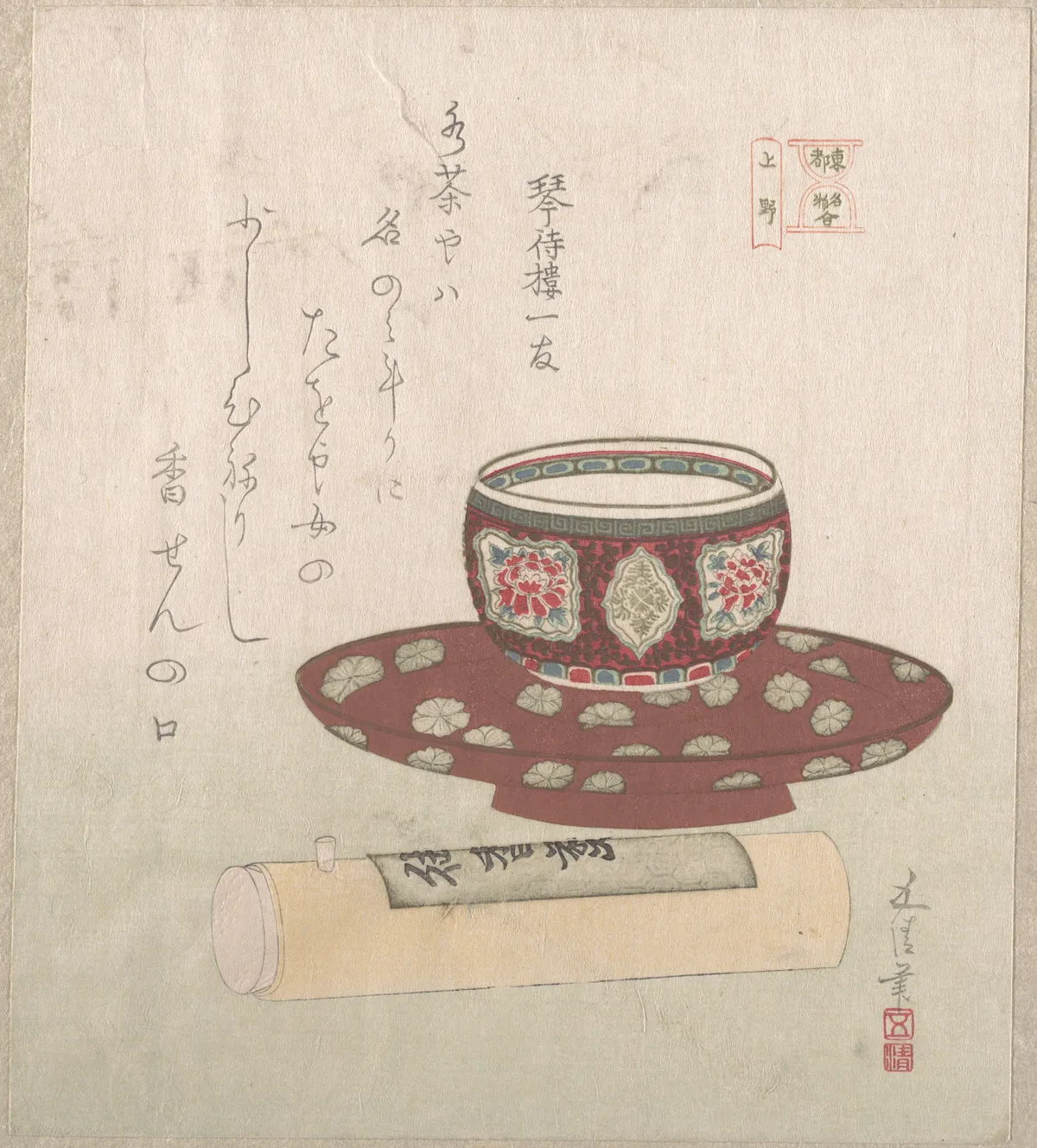
The room is still. A hush envelops the space, thick like the morning mist. In the centre, a teabowl rests, simple and unadorned. Beside it, a slender tube cradles a powder cake. The air here is dense with the scent of fresh tatami. Shadows play gently across the smooth, cool surface of the bowl, hinting at secrets held within its curved embrace.
The tea master moves with deliberate grace. His fingers, worn yet precise, lift the teabowl with reverence. Silence deepens. Only the soft rustle of his robe disturbs the calm. Sunlight filters through shoji screens, casting a lattice of light and shadow onto the wooden floor. The moment stretches, timeless.
A single breath, then the tea master begins. The powder, a vibrant green, meets the warm water. A whisper of steam rises, curling in the air before disappearing into the ether. Each motion speaks of years, of tradition, of the quiet beauty found in the mundane.
The ceremony unfolds, a dance of subtlety. The teabowl, once empty, holds the potential of life. The quietude is a symphony to those who listen. It is in this silence that the world takes form, that the spirit finds peace.
Historical Echo
In the 19th century, Japan embraced the art of the tea ceremony with profound devotion. It was a time when each element of the practice spoke of balance and harmony. Sunayama Gosei captured this essence in his work, allowing modern eyes to glimpse the serenity of a bygone era. His print, depicting a teabowl and a powder cake, becomes a window into the soul of Japanese culture, where simplicity and depth coexist in perfect harmony.