

The Dance of Silk and Strings
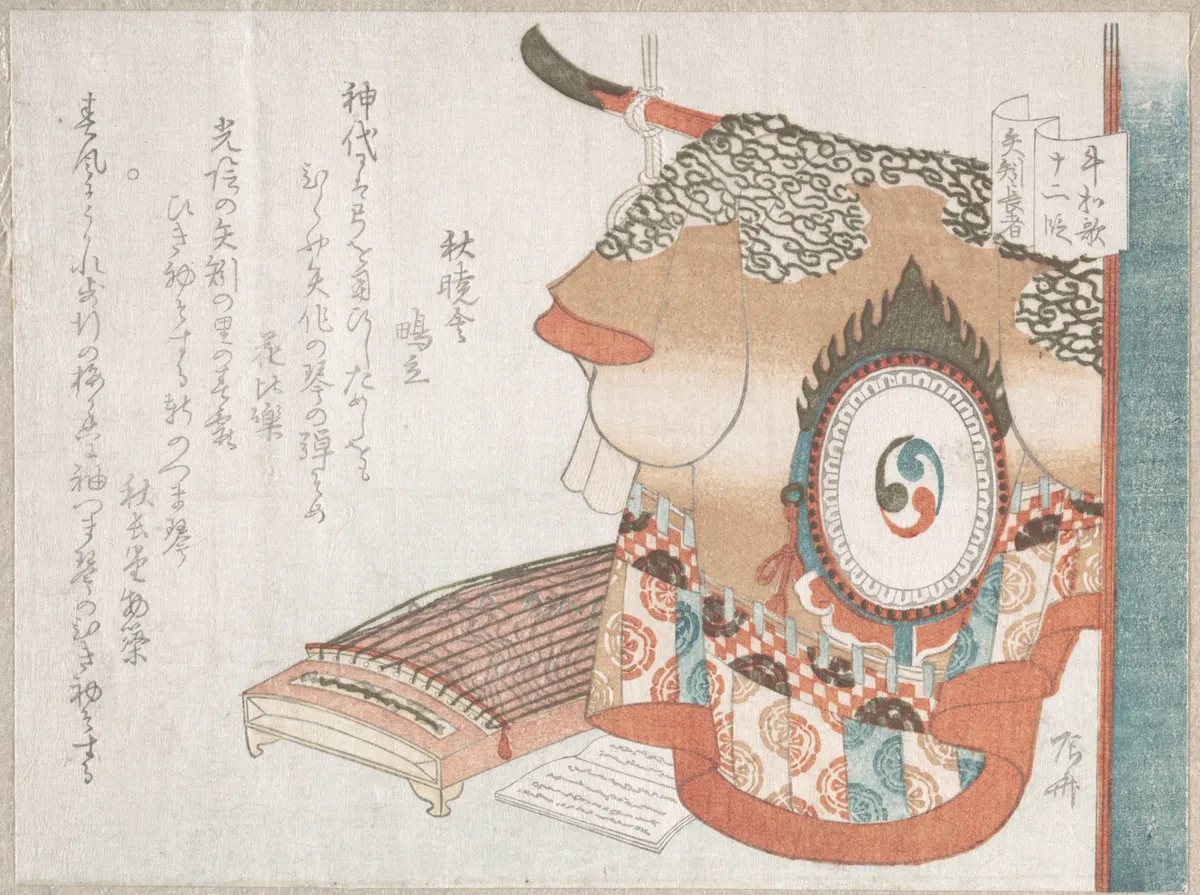
The room held its breath. Rich hues of silk cascaded from the robe, pooling on the tatami like a still pond. The weave whispered secrets of distant lands and forgotten tales. Beside it, a koto lay silently, its strings taut, yearning for the touch of a skilled hand.
A soft rustle of silk broke the quiet. The robe swayed as if remembering the steps of a forgotten dance. Shadows played across its detailed patterns, flickering like memories on the edge of recall. The air, heavy with the scent of sandalwood, clung to the fabric, holding time at bay.
Outside, the night pressed against paper screens. The moon, a solitary witness, cast its cold light through the lattice, tracing delicate patterns on the floor. The distant murmur of a stream wove through the silence, its rhythm echoing the unspoken stories of the Jōruri play, Ushiwaka.
In the dim glow, the koto waited. Its presence was a promise of music, of stories sung in the language of the heart. Only the wealthy man of Yahagi, who once commanded these treasures, could draw forth their song. But the room lay empty, a shrine to a past now lost in the passage of years.
Silence settled once more. The dance robe and koto remained, guardians of an era, whispering their tale to the shadows.
Historical Echo
In the early 19th century, Japan's cultural tapestry was rich with performances of Jōruri, a form of narrative singing. The play "Ushiwaka" recounts the tales of Minamoto no Yoshitsune, a legendary warrior. Ryūryūkyo Shinsai captures this world with precision, using every stroke to breathe life into the Wealthy Man of Yahagi's opulent world. The dance robe and koto, symbols of refinement, echo the cultural sophistication of Edo Japan, forever preserved in woodblock whispers.