

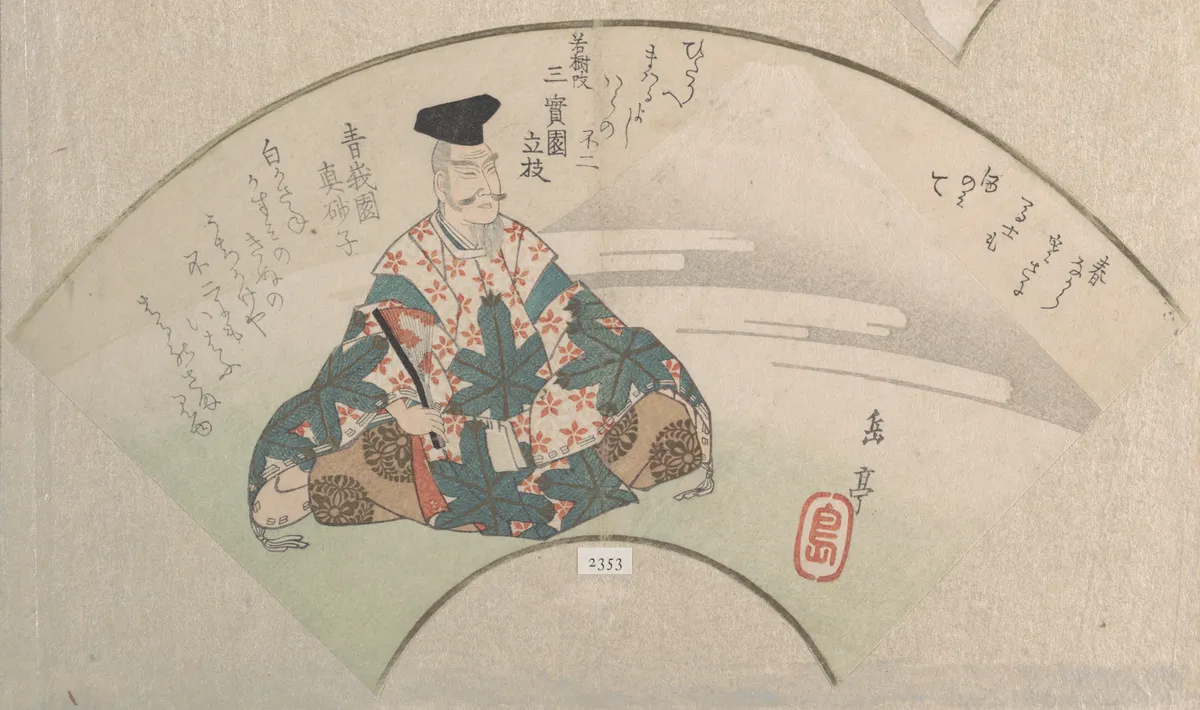
A Poet and Mount Fuji
The poet sits beneath the eaves, ink brush poised. The paper before him lies untouched, waiting. Outside, Mount Fuji stands, a silent guardian in the mist. The air is thick with the scent of impending rain. He listens to the world, to the quiet whispers of the earth. The clouds drift lazily, casting fleeting shadows over the landscape.
His robe rustles softly as he shifts. Each movement deliberate, unhurried. The wooden floor beneath him creaks, echoing the passage of time. He takes a breath, tasting the cool air, feeling the weight of centuries. The mountain's presence is a constant, an unyielding muse. It looms large in his thoughts, shaping each verse.
A breeze stirs, lifting the edges of the paper. The poet's hand moves, finally, a gentle stroke against the white. Words begin to flow, a dance of ink and intent. Each kanji marks a rhythm, a moment captured. The rain begins its descent, a soft patter on the roof, a delicate symphony.
He pauses, letting the silence fill the spaces between thoughts. The world outside is a blur of grey and green, the mountain a steadfast silhouette. He writes of its grandeur, its quiet dignity. The ink bleeds into the page, a testament to his reverence. In this moment, poet and Fuji are one.
Historical Echo
In the 1820s, Yashima Gakutei captured the essence of a poet's soul. His woodblock print, part of the "Spring Rain Collection," reflects a deep connection with nature. Mount Fuji, a symbol of Japan, looms large in the cultural consciousness. Gakutei's work invites us to pause, to find poetry in the everyday, and to see the world through the eyes of a poet.