

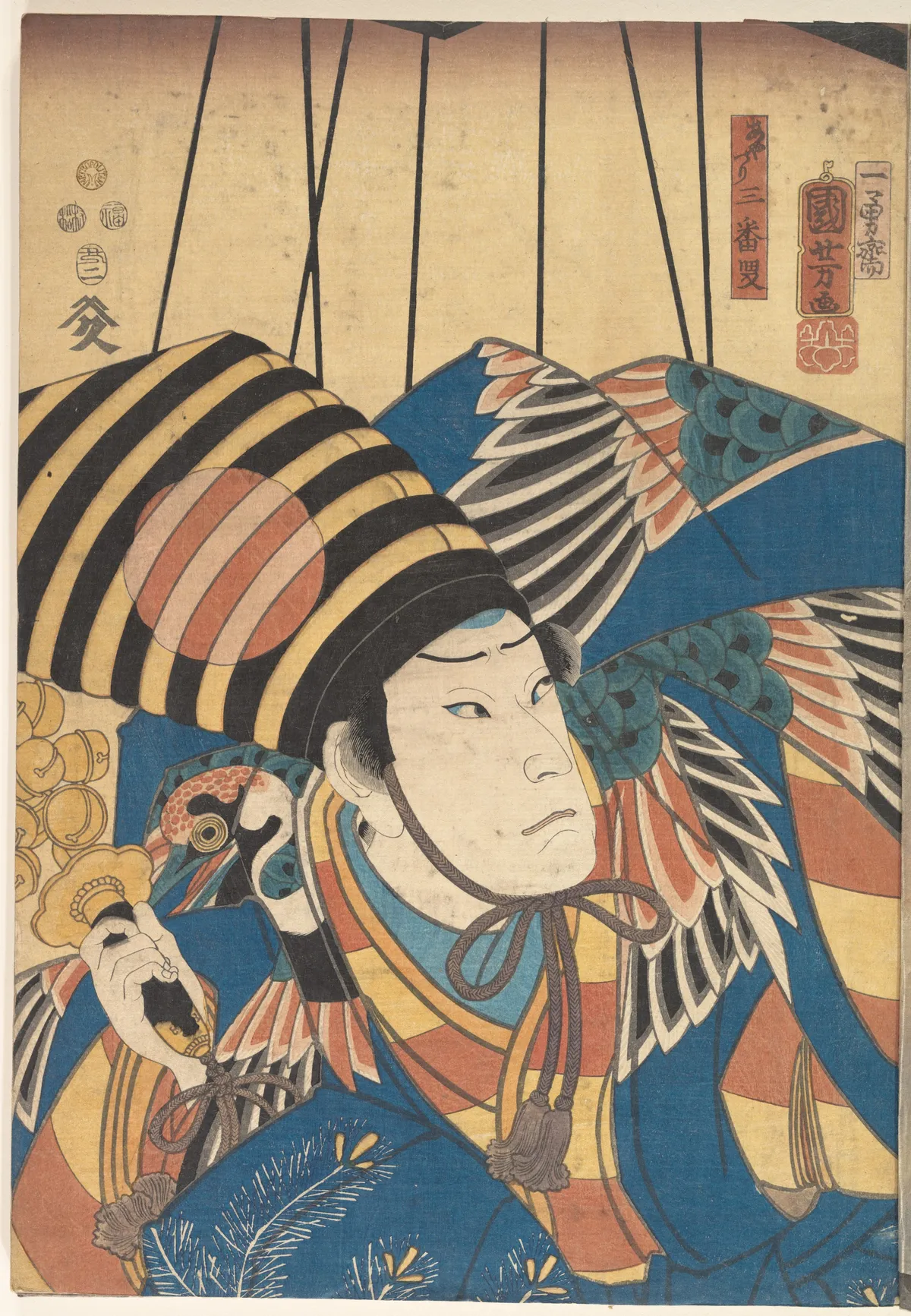
Ghosts of the Battlefield
The night air was thick with the scent of damp earth and pine. A lantern flickered under the weight of the mist. Shadows loomed large, their edges blurred by the fog. A lone samurai stood silent, his armour gleaming in the dim light. His breath mingled with the cold air, visible for a moment before it disappeared.
Around him, spectral figures emerged. Phantom warriors, their forms translucent, shimmered with an unearthly glow. They drifted silently, their movements slow, as if wading through water. The clang of distant swords echoed, a memory of battles long past.
The samurai’s hand rested on the hilt of his katana. He felt the weight of history in the grip, a lineage of warriors who had walked this path before him. Yet, the ghosts did not threaten. They hovered, watchful, bound to this place by honour and duty.
A crow cawed, breaking the silence. Its cry was sharp, a reminder of life in this realm of the dead. The samurai’s eyes met those of a phantasmal warrior. Recognition flickered. A shared bond transcended time.
The night deepened. The lantern’s flame danced in the breeze, casting fleeting shadows. The ghosts began to fade, retreating into the folds of the night. The samurai remained, a solitary figure amidst the whispers of the past.
Historical Echo
In Utagawa Kunisada’s woodblock print, the boundary between the living and the spectral blurs. This scene captures the haunting presence of warriors bound by duty beyond death. Kunisada, a master of kabuki actor portraits, channels the ethereal beauty and melancholy of Edo’s bygone era. The print evokes the spiritual connection between samurai and their ancestors, a theme resonant with the period's reverence for honour. Through the mist and moonlight, Kunisada weaves a silent narrative, where the echoes of battles past linger in the present.