

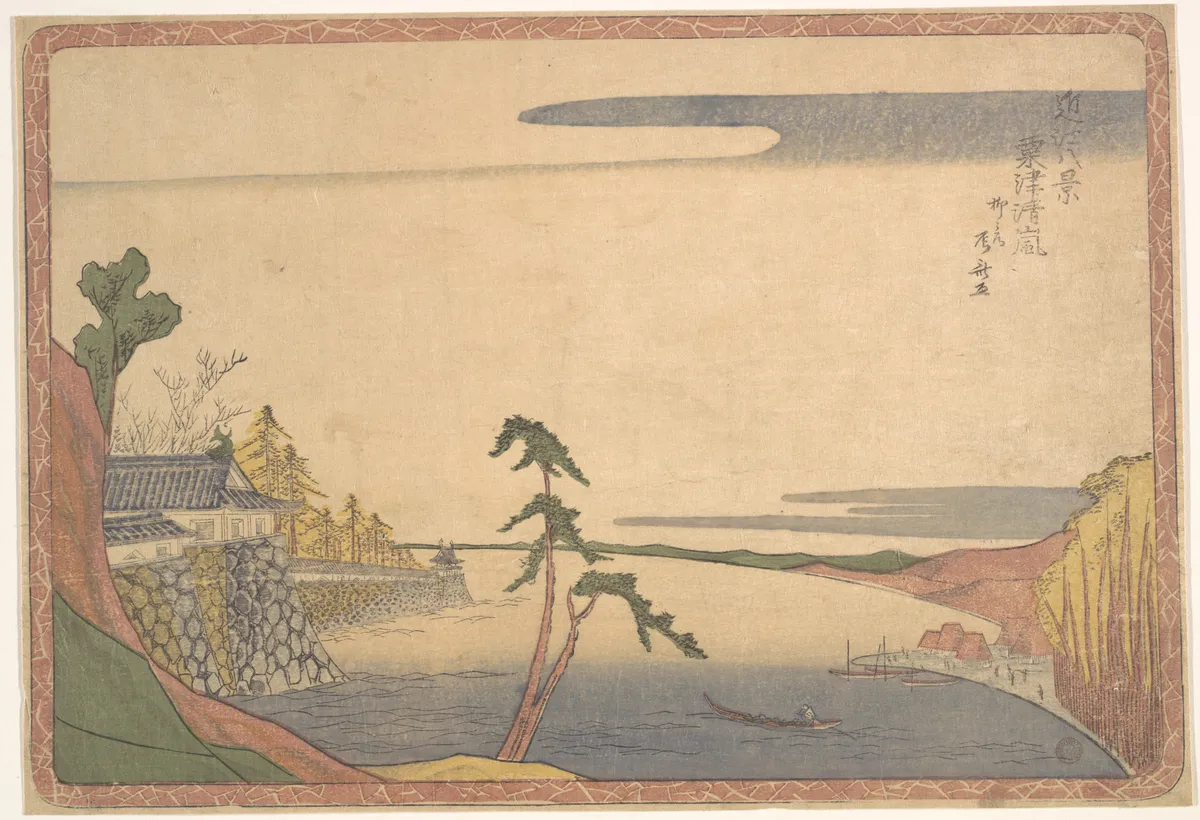
Clear Weather after a Storm
The storm had passed. Awazu lay quiet under the softening sky. The air, still heavy with rain, clung to the trees. Puddles collected stories in their glassy surfaces. A gentle breeze nudged the leaves, sending droplets to the earth.
The sun hesitated, peeking through clouds. Its light touched the land, drawing shadows long and thin. Silence ruled, interrupted only by the distant trill of a bird, testing its voice.
A fisherman stood by the water's edge. His feet sank slightly into the damp earth. He watched the lake, its surface still rippled by the memory of the storm. His boat, tethered to a post, swayed gently—a lullaby in wood and water.
The scent of wet pine and rich soil filled the air. He breathed it in, letting the moment settle in his bones.
A heron took flight, wings beating softly against the air. Its reflection danced on the lake, a fleeting ghost. The fisherman turned, following its path until it disappeared into the horizon.
Awazu exhaled. The world, freshly washed and renewed, held its breath.
Historical Echo
In the early 19th century, Japan's landscapes were captured in ukiyo-e prints. Ryūryūkyo Shinsai, a master of this art, depicted the serene and transient beauty of nature. His work, "Clear Weather after a Storm at Awazu," reflects the ephemeral peace following a tempest. Through delicate lines and subtle hues, Shinsai invites us to pause and witness the quiet resilience of the world. The print embodies a moment where nature and humanity stand in silent communion, each acknowledging the other's presence.