

The Silent Festival
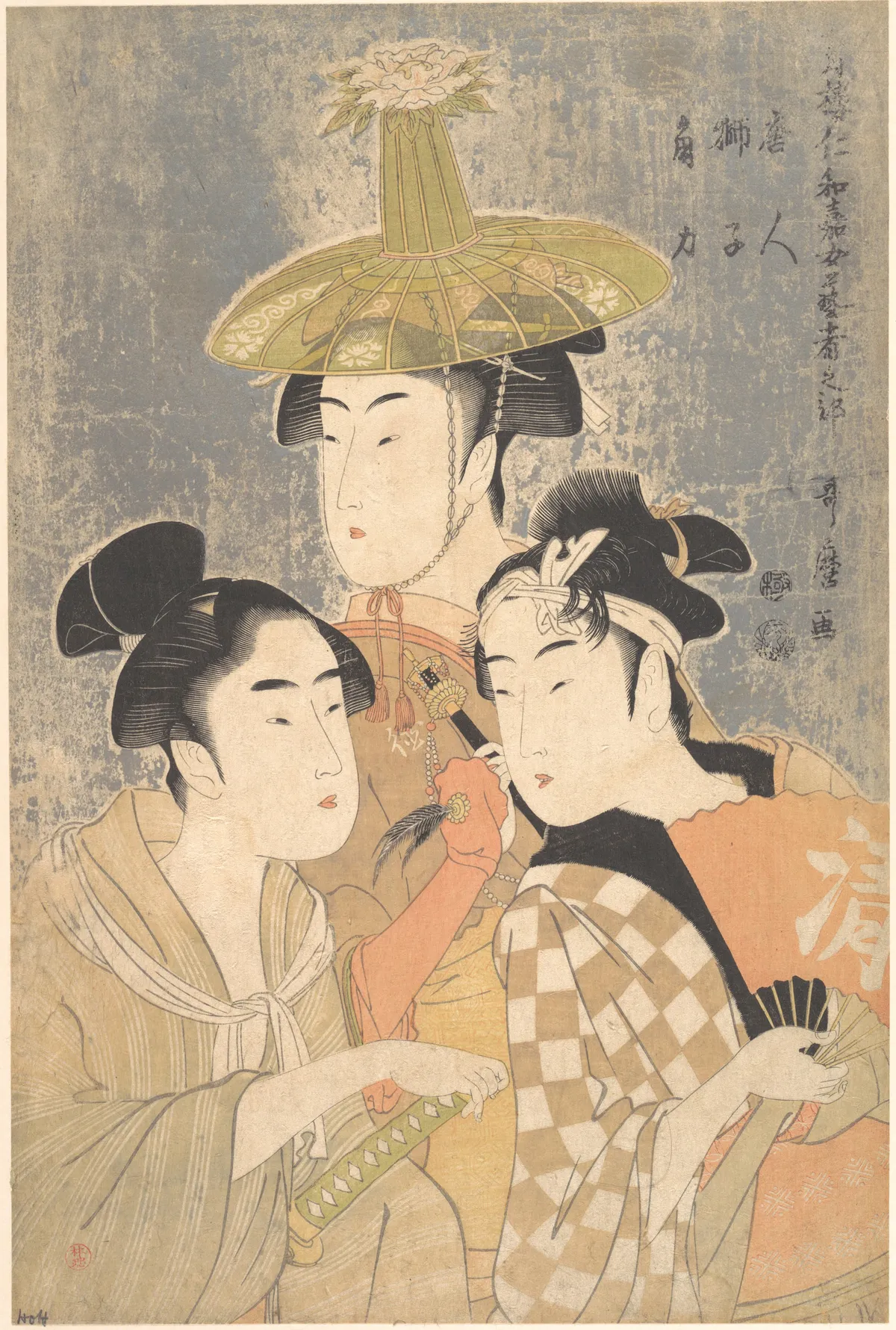
The lanterns flickered softly in the evening breeze. Shadows danced across the wooden stage. A hush fell over the crowd as the geisha appeared, her kimono a cascade of colours in the dim light. Her presence was commanding yet gentle, like the rustle of silk in the night.
She moved with deliberate grace. Each step was measured, each gesture precise. The whisper of her sleeves was the only sound, a delicate counterpoint to the silence that enveloped the audience. Her eyes, dark and deep, seemed to hold a secret, a story untold.
Then came the sumo, his entrance a stark contrast. The boards creaked under his weight. His presence was a storm, raw and powerful. The air grew heavy with anticipation. His opponent was a lion, fierce and golden, a creature from a distant land, conjured by the festival’s whimsy.
The clash was both a dance and a battle. The geisha watched, her gaze unwavering, as the sumo and the lion enacted their tale. The air crackled with tension, the weight of tradition and spectacle hanging over the scene.
As the crowd held its breath, the geisha’s fan snapped shut with a finality that echoed through the night. The festival had spoken, its story woven into the fabric of the city, ephemeral yet enduring.
Historical Echo
The Seiro Niwaka festival was a moment of escape. In Edo's floating world, boundaries blurred between reality and performance. Kitagawa Utamaro captured this essence, his lines tender yet bold. The geisha, a symbol of elegance; the sumo, strength personified. Together, they danced through history, their story etched into time's silent corridors.