

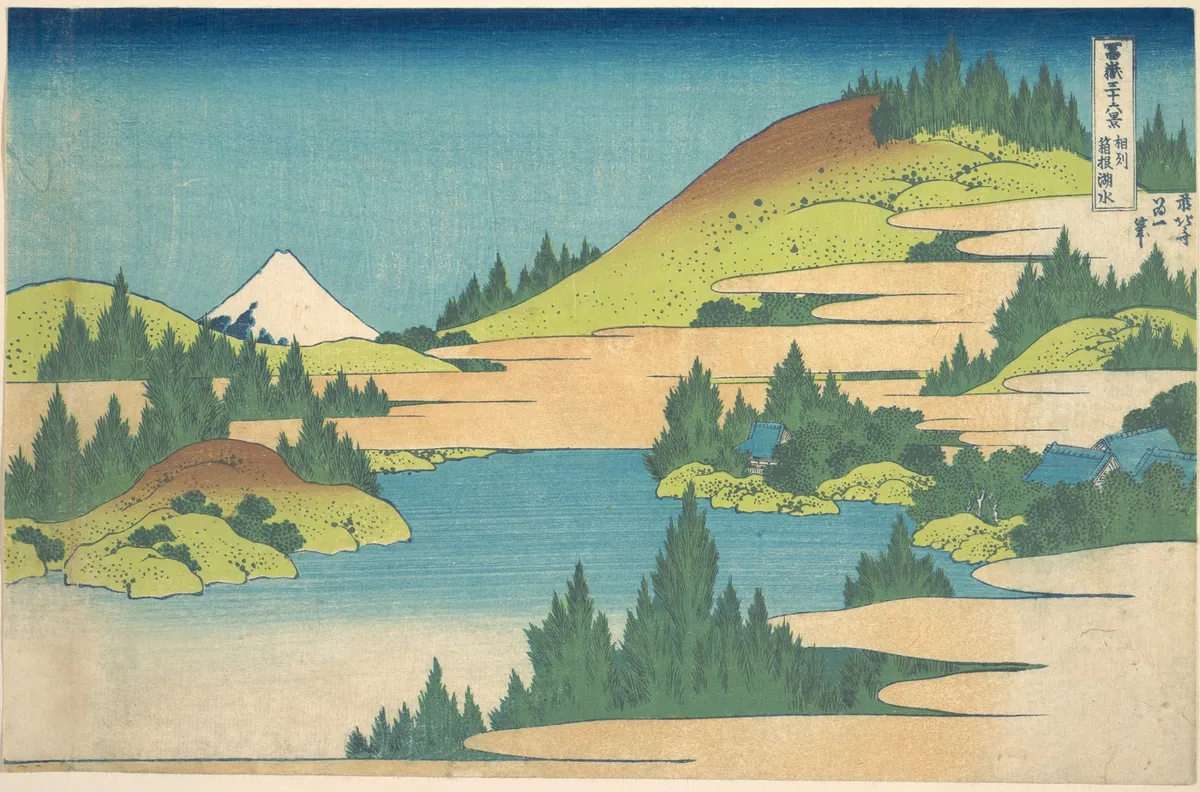
Silent Waters
The lake lay quiet beneath the morning mist. Boats glided softly across its surface. Their oars dipped with a gentle rhythm. The air was cool, heavy with the scent of pine. In the distance, Mount Fuji loomed, a silent guardian. Its reflection wavered in the water, almost ethereal.
Fishermen moved with calm precision. They cast their nets, breaking the mirror-like calm. Ripples danced outward, disturbing the stillness. A light breeze stirred, whispering through the trees. Leaves rustled, a soft chorus to the lake's lullaby.
Closer to shore, an old man paused. His gaze fixed on Fuji's distant peak. Memories stirred within him. Tales of this sacred mountain, told by his father, echoed in his mind. A land of gods, they said, where spirits dwelled.
The sun began to rise, spreading warmth. Its light touched the water, transforming it into liquid gold. Shadows stretched and shortened. The day's life began to awaken. Yet, the lake remained unbroken, a world unto itself, where time moved slowly, deliberately.
Historical Echo
Katsushika Hokusai captured this tranquil moment in the early 1830s. His series, Thirty-six Views of Mount Fuji, celebrated the mountain's enduring presence. Each view, a meditation on nature's harmony and human life within it. Hakone's lake, a place where the mundane meets the divine.